
Artificial intelligence is everywhere now. It powers recommendations, flags fraud, and even helps companies make big decisions faster than ever before. But here’s the catch—AI also introduces new risks that most organizations aren’t fully prepared for.
We’re talking about things like identity theft, data breaches, and misuse of sensitive data such as Social Security numbers, credit card details, or even Protected Health Information. One weak system, and suddenly you’re dealing with phishing attacks, regulatory issues, or worse—loss of customer trust.
That’s where AI audits come in.
An AI audit helps organizations understand how their systems work, what risks exist, and whether they are operating responsibly. But here’s the truth most people miss—AI audits don’t succeed because of tools. They succeed because of leadership.
In this article, we’ll break down exactly how organizational leaders can support an AI audit. You’ll learn how strategy, culture, and governance all play a role. We’ll also explore how internal audit teams benefit from AI and how businesses can stay ahead of cyber threats.
Let’s start with the foundation.
Vision and Strategy
Aligning AI Audits With Business Objectives

If your AI audit doesn’t tie back to business goals, it’s already off track.
Too many companies treat audits like a checklist. They run through compliance requirements, tick a few boxes, and move on. Meanwhile, the real risks—like exposure of Personally Identifiable Information or weak credit monitoring systems—go unnoticed.
Strong leaders think differently.
They ask questions like:
How does this AI system impact customer trust?
What happens if our data ends up on the dark web?
Are we protecting sensitive data like bank account details or credit reports?
When leaders connect AI audits to outcomes like revenue protection, customer trust, and compliance, everything changes. Suddenly, audits are not just a requirement—they become a strategic advantage.
Setting Clear Governance Frameworks
Clarity drives execution.
Without clear governance, AI audits become messy. Teams don’t know who owns what. Decisions get delayed. Risks slip through the cracks.
That’s why leaders must define accountability early.
Who manages AI systems?
Who oversees data security?
Who responds when there’s a phishing scam or malware attack?
These questions need clear answers.
In many organizations, governance also involves systems like Active Directory, IAM systems, and Entra ID. These control access to corporate networks and SaaS applications. If these systems are weak, your entire AI infrastructure becomes vulnerable.
Good governance doesn’t slow you down. It actually helps you move faster—with confidence.
Change Management
Preparing Teams for AI Audit Adoption
Let’s be honest—people don’t like change.
Introduce an AI audit, and you’ll likely hear concerns. Teams worry about extra work, increased scrutiny, or disruption to their routines.
That’s completely normal.
What matters is how leaders handle it.
Instead of forcing change, great leaders explain the “why.” They show how AI audits protect the organization from real threats like identity fraud, data breaches, and phishing emails.
When employees understand that poor data handling could lead to stolen credit card numbers or compromised Social Security cards, their mindset shifts. Suddenly, the audit isn’t a burden—it’s a safeguard.
Overcoming Resistance With Practical Examples
Stories work better than policies.
For instance, imagine a company that ignored email security warnings. A phishing attack later exposed customer data. Credit card bills, bank statements, and personal information were leaked.
That’s not hypothetical—it happens more often than you think.
Leaders who share these examples make the risks real. They help teams see the direct link between AI audits and business protection.
And once people see that connection, resistance starts to fade.
A Culture of Innovation
Encouraging Responsible Experimentation
Innovation is exciting. But without guardrails, it can also be dangerous.
AI tools are evolving quickly. Teams want to experiment, test new models, and push boundaries. That’s great—but it needs structure.
Without oversight, experimentation can expose sensitive data or create vulnerabilities in systems connected to public WiFi networks or unsecured platforms.
Smart leaders strike a balance.
They encourage innovation while reinforcing practices like multifactor authentication, secure password practices, and the use of a virtual private network.
This way, teams can explore new ideas without putting the organization at risk.
Rewarding Ethical Decision-Making
Here’s something most leaders overlook—culture is shaped by what you reward.
If speed is rewarded, teams cut corners. If ethics are rewarded, teams think long-term.
Consider companies handling health insurance data or financial records. One wrong move, and you’re dealing with identity theft or regulatory penalties.
Leaders who recognize ethical behavior create a culture where doing the right thing matters. Over time, this makes AI audits smoother and more effective.
Ethical AI Implementation
Addressing Bias and Fairness
AI is powerful, but it’s not perfect.
If left unchecked, it can reinforce bias. That’s a big problem, especially in areas like credit scoring, hiring, or financial services.
Imagine an AI system unfairly influencing someone’s credit score. That’s not just a technical issue—it’s a trust issue.
Leaders must ensure that audits evaluate fairness, transparency, and accountability.
This includes reviewing how data is collected and used. It also involves aligning with standards set by organizations such as the Federal Trade Commission and the Social Security Administration.
Ethical AI isn’t optional anymore. It’s expected.
Protecting Personal and Sensitive Data
Data protection is where things get serious.
We’re talking about Social Security numbers, driver’s license numbers, credit card numbers, and even biometric records. If this data is exposed, the consequences are immediate.
Identity theft. Credit card fraud. Legal action.
Leaders must prioritize security measures like encryption, security patches, and identity threat detection tools.
They should also invest in antivirus software and identity theft protection systems.
Because once data is compromised, recovery is expensive—and sometimes impossible.
Talent Acquisition and Development
Building AI and Audit Expertise
You can’t run effective AI audits without the right people.
It’s not just about hiring data scientists. You also need cybersecurity experts, compliance specialists, and auditors who understand AI systems.
These professionals help identify risks like phishing attacks, spyware threats, and vulnerabilities in corporate networks.
Without them, audits lack depth.
Upskilling for a Changing Landscape
Technology moves fast. Skills need to keep up.
Leaders must invest in continuous learning. Teams should understand emerging risks such as phishing scams, malware attacks, and vulnerabilities in online shopping platforms.
They should also stay up to date on tools such as credit monitoring services and online fraud protection software.
The more informed your team is, the stronger your audit process becomes.
Data Governance and Security
Establishing Strong Data Policies
Data is the backbone of AI.
Without proper governance, everything falls apart.
Leaders need clear policies for handling data—from collection to disposal. This includes secure mailbox practices, proper disposal of old computers, and protection against mail theft.
Strong policies reduce the risk of data breaches and ensure compliance.
They also make AI audits more structured and effective.
Strengthening Cybersecurity Measures
Cybersecurity isn’t optional anymore—it’s essential.
Organizations face constant threats, from phishing emails to advanced malware attacks. One weak point is that attackers can access sensitive data.
Leaders must implement tools like multifactor authentication, antivirus software, and account alerts.
Monitoring systems should be in place to detect unusual activity.
Because in today’s digital world, prevention is always better than recovery.
Collaboration and Partnerships
Working With External Experts
You don’t have to do everything alone.
External partners bring valuable expertise. Agencies such as the Cybersecurity & Infrastructure Security Agency and the Federal Bureau of Investigation provide insights into emerging threats.
Working with these organizations helps businesses stay ahead.
It also strengthens audit processes by adding external perspectives.
Building Cross-Functional Teams
AI audits aren’t just an IT issue.
They involve legal, compliance, operations, and more.
Leaders must encourage collaboration across departments. When teams work together, audits become more comprehensive.
And more importantly, risks are identified earlier.
Continuous Learning and Adaptation
Staying Ahead of Emerging Risks
Cyber threats are constantly evolving.
New phishing scams appear daily. Data breaches become more sophisticated. Social media platforms introduce new vulnerabilities.
Leaders must stay informed.
They should monitor trends in identity fraud, cyber attack patterns, and online privacy risks.
Because staying reactive is not enough—you need to stay ahead.
Leveraging Feedback for Improvement
Every audit is a learning opportunity.
Leaders should use audit findings to improve systems, policies, and training programs.
For example, if a breach occurs due to weak password practices, that’s a signal to strengthen security protocols.
Organizations that learn from mistakes grow stronger.
Strengthen the Internal Audit Role
Elevating Internal Audit to Strategic Partner
Internal audit should not be an afterthought.
It should be a strategic function.
When auditors are involved early, they can identify risks before they escalate. This proactive approach reduces incidents like identity theft and data breaches.
Leaders must empower audit teams with the resources and authority they need.
Because prevention is always cheaper than damage control.
Integrating AI Into Audit Processes
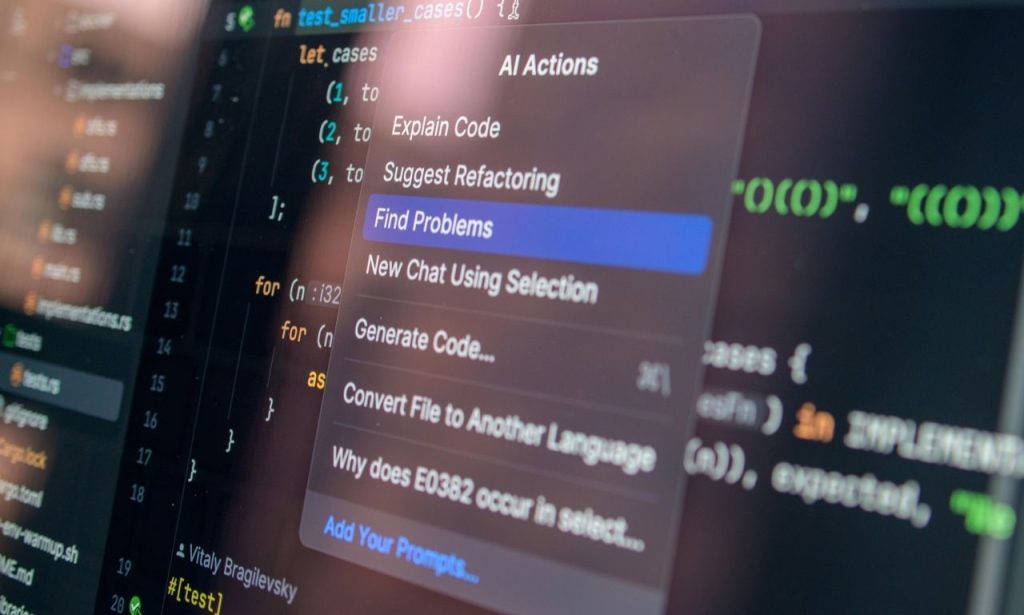
AI can transform auditing.
It can analyze massive datasets, detect anomalies, and flag suspicious activity.
For instance, AI can identify unusual transactions that may indicate credit card fraud or identity fraud.
This makes audits faster and more accurate.
How Internal Audit Can Benefit From AI
Enhancing Risk Detection
AI improves how risks are identified.
It can scan bank statements, credit reports, and corporate systems to detect anomalies.
This helps auditors uncover issues such as unauthorized access or identity-theft attempts.
The result? Faster response times and better protection.
Improving Efficiency and Coverage
Manual audits take time.
AI speeds things up.
By automating repetitive tasks, auditors can focus on strategic insights. They can analyze risks, recommend improvements, and provide more value.
That’s how organizations gain a competitive edge.
Conclusion
AI audits are not just technical exercises—they are leadership challenges.
The organizations that get this right don’t just focus on tools. They focus on strategy, culture, and people.
Leaders who support AI audits create safer systems, stronger teams, and more resilient businesses. They protect against real risks such as identity theft, data breaches, and cyberattacks.
So here’s something to think about.
If an audit were to happen today, would your organization be ready?
Or would it expose gaps you didn’t even know existed?
The answer depends on what you do next.
FAQs
An AI audit evaluates how AI systems operate, ensuring they are secure, ethical, and compliant with regulations.
Leaders set the vision, allocate resources, and create the culture needed for successful AI audits.
AI improves efficiency by analyzing data, detecting anomalies, and automating repetitive tasks.
AI systems can expose organizations to risks like data breaches, identity theft, bias, and cyber threats.
They can use encryption, multifactor authentication, antivirus software, and strong data governance policies.