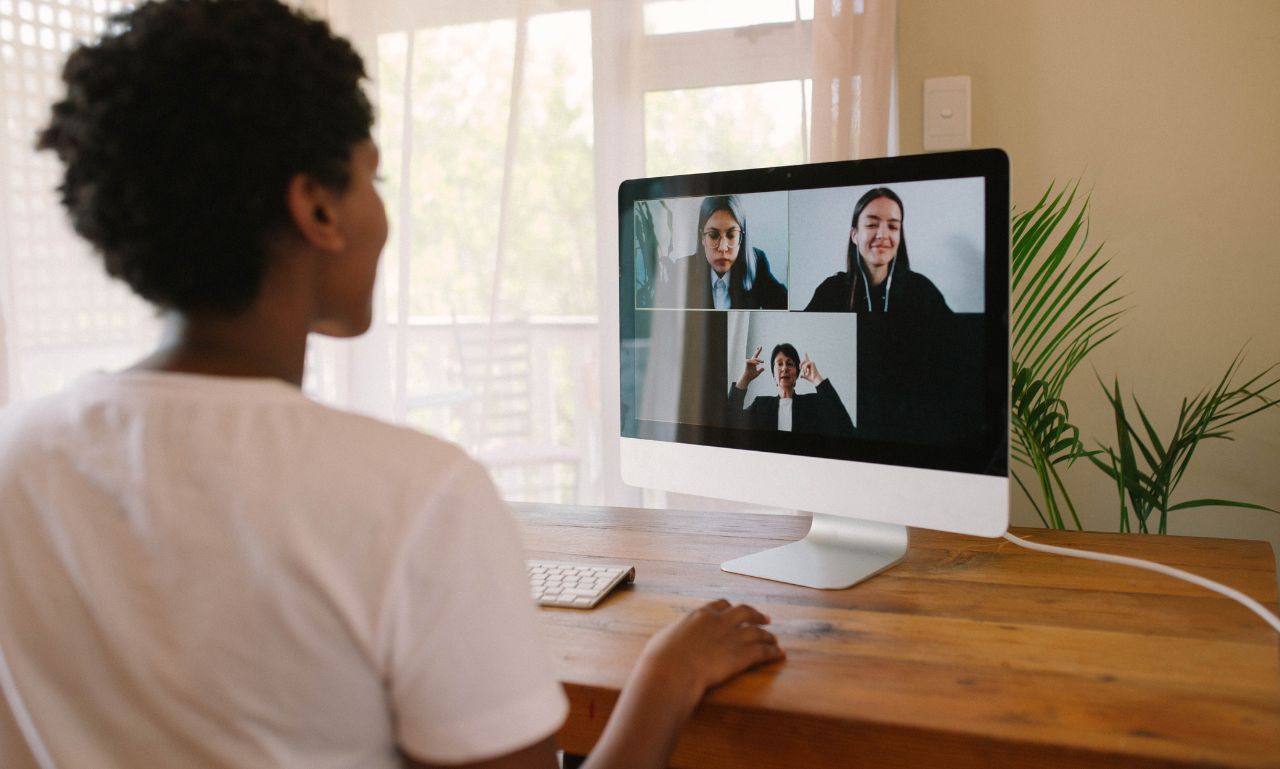
Let’s be honest—traditional interviews are kind of a drag.
You schedule them. You prepare meeting rooms. The candidate gets stuck in traffic or arrives late, flustered, and apologizing. Meanwhile, your team loses hours that could’ve been spent solving actual business problems.
But it’s 2026, and hiring doesn’t have to be this hard.
So, what are the reasons employers should be doing more Skype and Zoom interviews? It’s not just about staying current—it’s about efficiency, accessibility, and hiring smarter. The best companies aren’t clinging to outdated methods. They’re using digital tools to streamline the hiring process and make better, faster decisions.
Let’s break down why virtual interviews should be your team’s go-to move—and not just during emergencies.
Convenience and Time-Saving
In the business world, time isn’t just money—it’s opportunity. Every hour wasted on logistics is an hour lost chasing growth.
Skype and Zoom cut through the noise. There’s no commute, no parking stress, no shuffling candidates through security or reception. Everyone logs in, hits “Join,” and boom—you’re face-to-face in seconds.
Managers can squeeze interviews between meetings. Candidates don’t need to take the day off. It’s like speed dating, but for your next great hire.
And let’s not forget the ripple effect. When HR can book back-to-back interviews without worrying about meeting rooms, everyone wins. Things move faster. Decisions come quicker. Productivity stays on track.
Increased Accessibility for Candidates
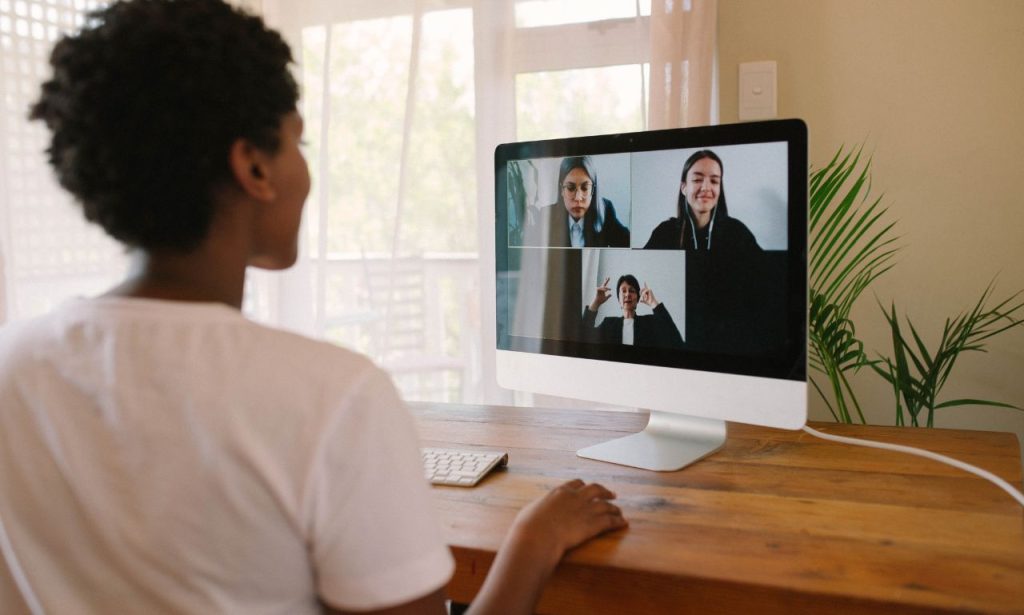
Not every qualified candidate lives 15 minutes from your office. Some of the best folks out there are juggling caregiving, school, or multiple jobs, and asking them to show up in person for a 30-minute screening? It’s a huge barrier.
Zoom interviews level the playing field. Whether someone’s in rural Oklahoma or at a café in Nairobi, they arrive professionally and punctually. All they need is Wi-Fi and a quiet corner.
This is especially helpful for people with disabilities, parents of young children, or those navigating transportation issues. Instead of making life more complicated, you’re showing candidates you respect their time and realities.
In a job market that’s increasingly candidate-driven, that kind of flexibility matters—a lot.
Wider Talent Pool
Here’s the thing: talent isn’t local anymore.
Before the pandemic, most employers hunted for talent within driving distance. But COVID-19 rewired our expectations. Now, it’s common to see teams spread across cities, countries—even continents.
So why limit interviews to people who can show up in person?
With Zoom and Skype, you can reach out to candidates across time zones and get a feel for their personality, communication style, and skills—without asking them to hop on a plane.
You’re no longer choosing between “local but okay” and “perfect but far.” You can speak with both and choose the right one.
Companies like GitLab, Zapier, and Automattic have scaled globally using remote hiring tools. It’s not a trend—it’s the new normal.
Improved Scheduling Flexibility
Coordinating calendars can feel like playing Tetris. One interviewer is out of town. Another’s triple-booked. The candidate’s only free at odd hours.
Zoom solves that.
When interviews don’t require people to be physically present, schedules open up. You can work early mornings, late evenings, or weekend slots as needed. Want to record a question and have the candidate respond asynchronously? Some platforms offer that too.
This flexibility means fewer delays and a smoother candidate experience. And when candidates feel valued, they’re more likely to accept your offer—simple math.
Fewer Delays or Cancellations
Real talk: In-person interviews are vulnerable.
Bad weather, traffic jams, family emergencies—so many things can derail them. And rescheduling isn’t just a headache; it drags out your hiring process.
Virtual interviews cut the risk. If someone’s feeling under the weather, they might still feel okay to join a Zoom call. If a storm rolls in, you’re still good to go—as long as the internet holds up.
The result? Fewer cancellations. Faster time-to-hire. And a hiring team that doesn’t feel like they’re constantly putting out fires.
Easy to Include Team Members in the Interview
Hiring shouldn’t be a solo mission. The best interviews include input from multiple team members—your culture champion, the technical lead, maybe even a peer.
But getting everyone in the same room? Often impossible.
Zoom and Skype make it easy to loop people in. They can join from wherever they are—even if that’s another city or country. You can tag them in for a specific segment and let them drop off when they’re done.
It’s like building your dream interview panel in real-time.
And if someone can’t make it live? Record the interview. They can watch and weigh in later. It’s collaborative hiring without the logistical gymnastics.
You Can Use Multimedia
Here’s where virtual interviews really shine—because who said interviews have to be all talk?
With tools like screen sharing, you can walk candidates through a design file, have them review a code snippet, or watch a brand video. They can present a project live, share their screen, and give you a real sense of how they think and communicate.
Need to gauge soft skills? Ask how they’d handle a scenario. Need to test tech chops? Set up a quick virtual whiteboard session.
You’re not just hearing about their skills—you’re seeing them in action. That’s powerful.
Saves on Costs
Let’s crunch some numbers.
A 2019 Glassdoor report found the average cost-per-hire in the U.S. was approximately $4,000, with many going with travel reimbursements, accommodations, and time off for interviews.
Skype and Zoom slash those expenses. No flights. No hotels. No free lunches to compensate for lengthy interview days. It’s leaner, faster, and easier on your budget.
Now multiply that by 10 or 20 hires a year, and you’ve saved tens of thousands. That’s money you can pour back into onboarding, tools, or team development.
Allows for a Bigger Pool of Candidates
This might sound like déjà vu, but it’s worth emphasizing.
When interviews go remote, your pool of potential hires gets way, way bigger. You’re not just looking at applicants who can make it to your office—you’re tapping into a world of possibilities.
That includes passive candidates who weren’t actively job-hunting but are open to a quick Zoom chat. Or specialists in emerging fields who live in different countries. Or diverse candidates from underrepresented communities who couldn’t afford the time or travel before.
Widening the pool doesn’t just mean more applicants—it means better ones.
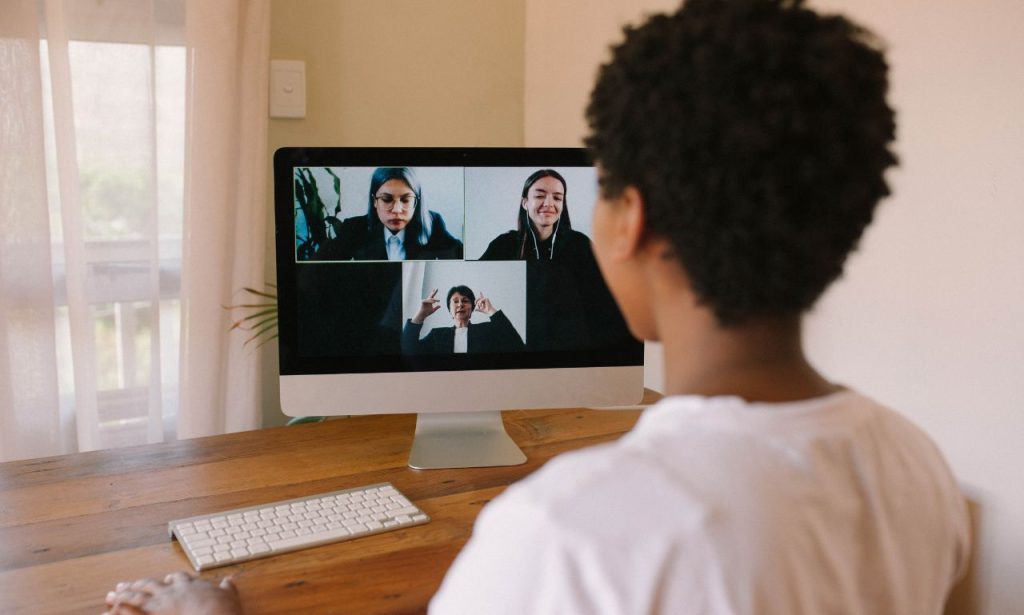
Ever wish your manager could’ve seen what you saw in a candidate?
With Zoom recordings, they can.
Once the interview is over, you can share the video with stakeholders who couldn’t join. They can review the candidate’s answers, assess communication skills, and provide informed feedback.
It eliminates the dreaded “he said, she said” guessing game. Everyone sees the same interaction. Everyone evaluates based on the same info.
This transparency leads to better alignment—and fewer hiring regrets.
Conclusion
So, what are the reasons employers should be doing more Skype and Zoom interviews?
Simple: they’re faster, smarter, and more in tune with how we work today. Whether it’s saving money, reducing stress, or making space for more candidates, virtual interviews deliver value where it counts.
More than just a backup plan, they’re becoming the gold standard for modern hiring.
If you’re not using them already, ask yourself—what’s holding you back? A small shift in how you interview could mean a giant leap in who you hire.
Want to try it out? Start by running your first-round interviews via Zoom. You might never go back.
FAQs
Yes—when done right, virtual interviews offer equal insight into skills and culture fit while adding convenience.
Scheduling flexibility and cost savings. Plus, it allows for team participation and video recording.
Start with a warm intro, use video to build rapport, and follow up with a thoughtful message afterward.
Technical glitches can occur, but with proper preparation and a backup plan, most issues are easily managed.