Ever driven down a steep hill and felt your heart skip a beat because the brakes responded a little slower than usual? Many drivers push that fear aside, hoping the brakes will “sort themselves out.” The truth is, brake systems rarely fix themselves. They only worsen. Routine inspections matter because they protect more than your wallet—they protect your life.
Drivers often think of oil changes or tire pressure first, but the brake system deserves equal attention. A slight shift in braking power might feel harmless, yet it hints at deeper issues. Cars tell stories through symptoms, and brakes often speak the loudest. Ignoring them invites trouble.
If you’ve ever asked yourself, “Why do drivers need to check their car’s brake system regularly?“, the Thewer connects to safety, saving money, and maintaining peace of mind. Let’s break it down.
Extend Brake Lifespan
Brakes wear out, but how quickly they age depends on how well you treat them. A simple inspection every few months can prevent early wear. Mechanics often catch minor issues—like thinning pads or uneven rotor wear—before they become emergencies.
Drivers who ignore inspections often face more expensive repairs later. A friend once shared how she skipped two scheduled brake checks because her car “felt fine.” By the time she went for a service visit, her rotors were warped, the pads were gone, and the calipers had started grinding. A repair that could’ve cost a fraction of the price turned into a hefty bill.
Preventive checks stretch brake life. Pads, rotors, and fluid last longer when monitored. It’s similar to brushing your teeth instead of waiting for a painful cavity. Small habits protect bigger systems.
Prioritize Brake Safety
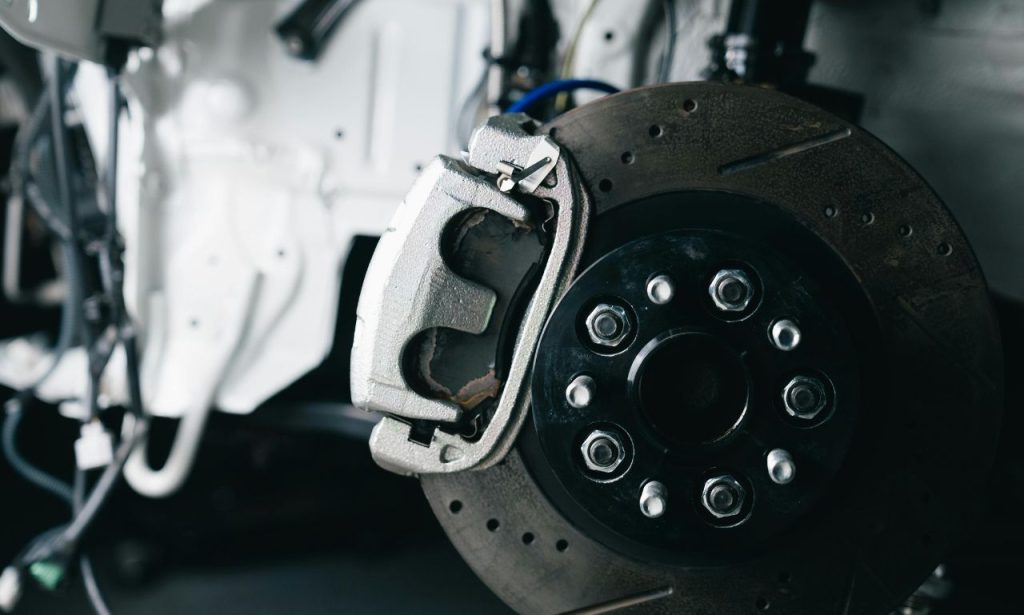
A brake system isn’t just mechanical parts. It’s a safety barrier between you and danger. Every time you press the pedal, you expect one thing: a quick response. When that response weakens, even slightly, your risk increases.
Some drivers get used to slower braking without realizing the danger. A few extra feet in stopping distance doesn’t sound like much until a child runs across the street or a motorcycle cuts into your lane. Modern traffic demands fast reactions, and brakes are a massive part of those reactions.
Consider the rainy seasons in many regions. Wet roads reduce tire grip. Poor brakes double the risk. Checking the brake system before the heavy rains hit is something seasoned drivers swear by. It’s the difference between a controlled stop and a skid you won’t forget.
Safety doesn’t happen by accident. It’s intentional. Regular inspections keep your brake system ready for sudden challenges.
Ensure Safety Compliance
Some regions require periodic vehicle safety checks. These inspections often focus heavily on brakes because they’re directly tied to accident prevention. Drivers who skip routine brake maintenance may fail these checks, leading to fines or forced repairs.
Commercial drivers know this pain well. If their brakes aren’t within legal safety limits, they lose driving privileges until repairs are done. Even private car owners aren’t exempt. Authorities take braking issues seriously because the consequences affect everyone on the road.
Ensuring compliance keeps you on the right side of the law and guarantees your car meets the standards designed to protect your family. Compliance isn’t bureaucracy—it’s a reminder that safety has rules for a reason.
Identify Brake Issues Early
Many brake problems start small. A slight squeak here. A soft pedal there. These tiny hints often point to bigger problems developing under the surface. Identifying issues early helps avoid breakdowns or complicated repairs.
Drivers who know their car’s normal behavior usually notice changes quickly. The challenge is acting on those changes. A AAA study found that more than 35% of drivers delay brake inspections even after noticing symptoms. Procrastination invites risk.
Early identification leads to quick fixes. Mechanics appreciate catching issues early, too, because it keeps repair costs down and prevents accidents. Think of it as catching a leak before it floods your house.
Avoid Brake System Failures
Brake failure doesn’t always mean the brakes stop working altogether. Sometimes failure shows up as delayed response, uneven braking, or fading power on long drives. These partial failures are dangerous because they give drivers a false sense of confidence.
Heat buildup is one common cause. Long downhill drives can overheat pads and fluid. When that happens, brakes lose effectiveness. Truck drivers experience this often, which is why steep mountain roads include emergency runaway ramps.
A family friend once shared a story about driving through a mountainous pass where his brakes faded halfway down. He had skipped his last brake check. The mechanic later explained that worn pads and old fluid were the cause of the fading. He was lucky the truck had an escape lane.
Brake failure rarely appears without warning. Routine checks prevent those warnings from turning into frightening moments.
Preventing Brake Failure
Preventive maintenance is the best defense against brake failure. Drivers who schedule inspections every 6–12 months—or sooner if they drive long distances—rarely experience breakdowns. Prevention isn’t complicated. It’s consistent.
Checking brake fluid levels, pad thickness, and rotor condition takes only minutes for a trained technician. Replacing worn parts before they fail keeps the system strong. Washing the wheels and the underside of the car helps, especially if you live near the coast, where salt accelerates corrosion.
Driving habits also affect brake performance. Sudden stops, aggressive acceleration, and heavy loads strain the system. Smooth driving extends brake life and improves fuel efficiency.
If you’ve ever wondered what separates drivers who rarely face brake issues from those who constantly do, the secret is simple: prevention. It’s cheaper, safer, and far less stressful.
Improving Driving Comfort
Brakes play a massive role in driving comfort. A responsive brake pedal builds confidence. A smooth stop feels natural. Drivers who maintain their brake systems often enjoy quieter rides and less vibration.
When brakes don’t work correctly, you feel it. The car may jerk, shudder, or pull. These sensations create stress, even on short trips. Long drives become unpleasant. Regular checks eliminate these issues before they spoil the driving experience.
Road trips, school runs, and commutes all become easier with a well-maintained brake system. Comfort matters more than people admit.
Enhancing Vehicle Safety
Vehicle safety isn’t one giant feature—it’s a combination of smaller systems working together. Brakes play a central role in this network. Good tires matter. Seatbelts matter. But none of these systems compensate for failing brakes.
Modern cars include ABS, electronic brake distribution, and traction control. These advanced features rely on the brake system functioning correctly. If the foundation is weak, these systems can’t protect you.
Think of safety like a chain. Each link matters. A weak link compromises the whole structure. Routine brake inspections strengthen one of the most critical links.
What are the Warning Signs That Your Brakes Need Immediate Attention?
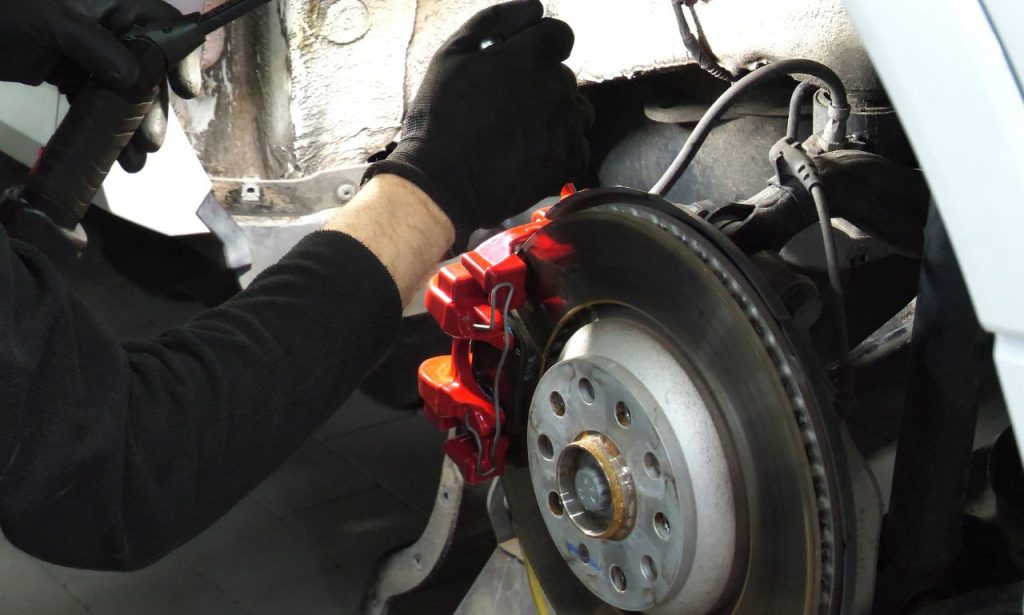
Drivers often miss early brake warnings because they seem harmless. These signals warrant urgent attention because they indicate problems that can escalate quickly. Let’s break down the three most common ones.
Car Pulling to One Side
When a car pulls left or right during braking, it usually means uneven brake pressure. This can come from worn pads, a stuck caliper, or damaged rotors. Drivers sometimes blame the road or think the steering alignment is off, but the brakes are the cause more often than people think.
Pulling creates dangerous situations. It affects control, especially at high speeds or during emergency stops. You shouldn’t need to wrestle the steering wheel to keep your car straight. Cars should respond predictably. If yours doesn’t, it’s time for a brake inspection.
Squealing or Grinding Noises
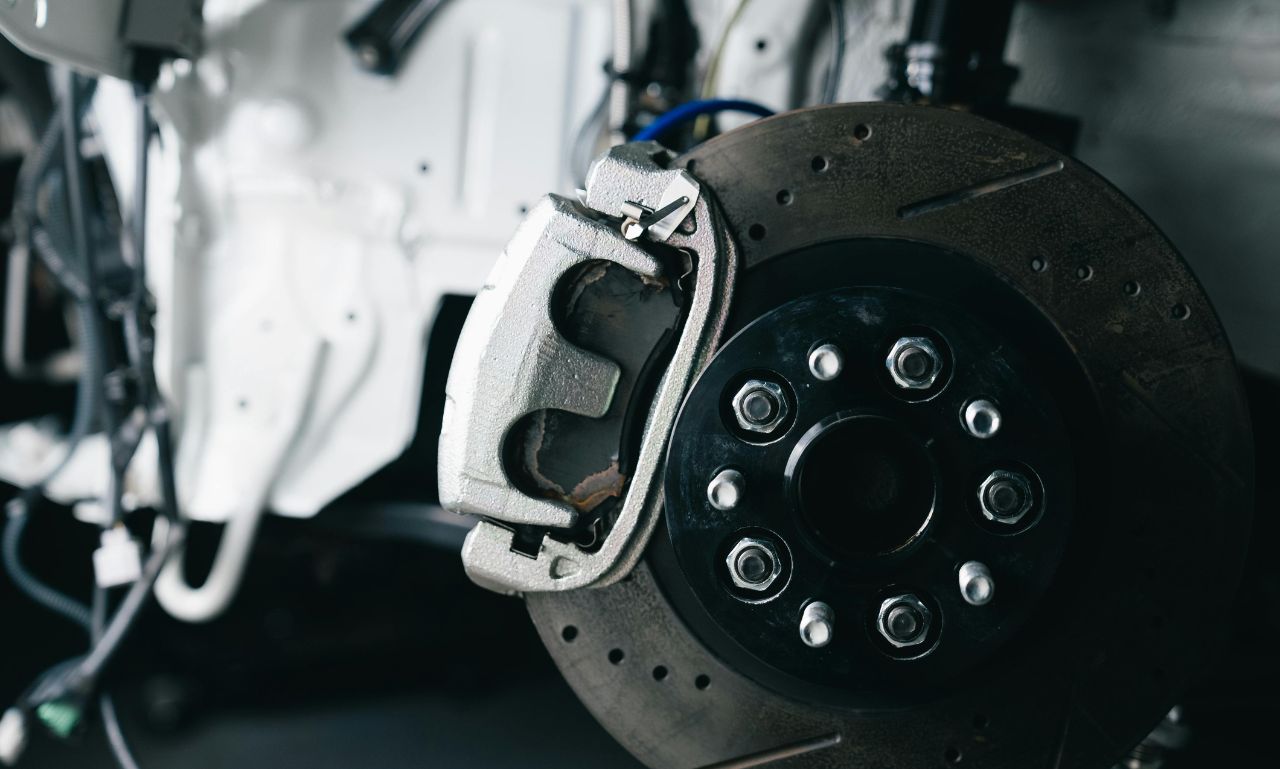
Squealing usually means the brake pads have reached their wear indicators. These small metal tabs make noise to warn you that the pads need replacing. Grinding sounds are far worse and often mean the pads are completely worn out, allowing metal to scrape against metal.
Ignoring these sounds accelerates damage. Rotors wear faster, repair costs rise, and stopping power decreases. Anyone who has heard that loud grinding knows it’s a sound you never want to hear twice.
Vibrations When Braking
Vibrations signal warped rotors or uneven pad wear. The steering wheel or brake pedal may shake when you slow down. This happens when heat builds up unevenly or when pads wear down irregularly.
Vibrations don’t just annoy drivers—they reduce braking efficiency. A car that vibrates during braking struggles to maintain traction. This increases stopping distance, especially on wet roads.
Conclusion
Regular brake checks aren’t optional. They’re essential for safety, comfort, and financial savings. Drivers who take brake health seriously avoid breakdowns, prevent accidents, and enjoy a smoother driving experience. Asking Why drivers need to check their car’s brake system regularly? leads to answers that benefit every driver.
If you want your car to last, your rides to feel safe, and your family protected, start with the brake system. A few minutes of inspection can save you from moments you’ll never forget.
FAQs
Most experts recommend inspections every 6–12 months, or sooner if you notice symptoms.
Yes. Old brake fluid absorbs moisture, reducing braking power and causing corrosion.
Absolutely. Worn pads damage rotors and calipers, leading to expensive repairs.
A soft pedal usually means air in the brake line or low fluid—both need immediate attention.