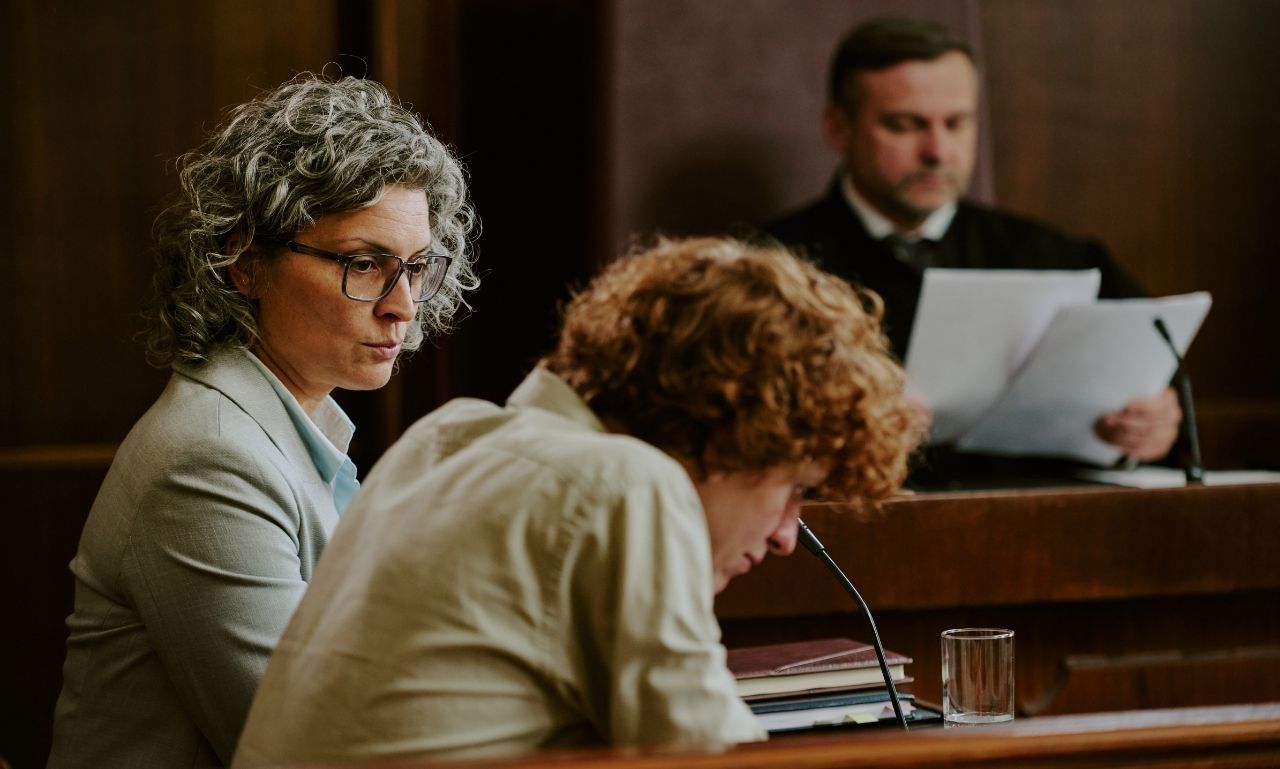
Many people assume a lawsuit or criminal case moves directly from filing to trial. In reality, the answer to why courts schedule multiple hearings before a trial lies in the need to resolve legal issues, protect the rights of everyone involved, and ensure the case is ready before it reaches a judge or jury. Those hearings are not unnecessary delays. They are essential steps that often determine whether, and how, a trial will take place.
Understanding Why Courts Schedule Multiple Hearings Before a Trial
A trial is only one stage of a legal case. Before it begins, courts must address procedural and legal matters that could affect the outcome. Every hearing has a specific purpose, even if it lasts only a few minutes.
The court uses these appearances to monitor progress, make decisions on pending issues, and confirm that both parties are following legal requirements. Without this process, important disputes could emerge during the trial, leading to confusion, unfairness, or even a mistrial.
In many cases, the pretrial stage takes longer than the trial itself because careful preparation reduces the likelihood of costly mistakes.
Why Courts Rarely Move Straight to Trial
Although television dramas often show immediate courtroom battles, real legal proceedings are far more structured. Both criminal and civil courts must ensure that evidence has been exchanged, witnesses have been identified, deadlines have been met, and legal disputes have been addressed.
Moving directly to trial without completing these steps could violate procedural rules or constitutional protections. Multiple hearings give judges opportunities to confirm that the process remains fair for everyone involved.
The Different Types of Hearings Before a Trial
Not every case follows the same path, but several hearings appear regularly in both criminal and civil proceedings.
Initial Appearances, Arraignments, and Status Conferences
One of the earliest hearings is often the initial appearance or arraignment. During this stage, the defendant learns the charges, enters a plea if required, and may receive decisions regarding bail or release conditions.
As the case progresses, status conferences allow the judge to review its progress. Attorneys update the court on completed tasks, unresolved issues, and any obstacles that could affect scheduling.
These hearings usually involve legal discussions rather than witness testimony, making them much shorter than a trial.
How Pretrial Hearings Protect Fairness
Courts are responsible for more than deciding who wins a case. They must also ensure that every party receives a fair opportunity to present its position.
Resolving Legal Disputes Before Trial
Many legal questions must be answered before jurors ever enter a courtroom.
For example, one side may argue that evidence was collected unlawfully, that certain testimony should not be admitted, or that expert witnesses fail to meet legal standards. Rather than interrupting the trial with lengthy legal arguments, judges usually decide these matters during separate hearings.
This process helps jurors focus on the facts instead of complicated procedural debates.
Discovery and Evidence Exchange
One of the biggest reasons courts schedule multiple hearings before a trial is to supervise discovery.
Why Discovery Takes Time
Discovery is the process through which both sides exchange relevant information. Depending on the complexity of the case, this may include documents, photographs, surveillance footage, medical records, financial records, expert reports, and witness statements.
Discovery promotes fairness by preventing either side from surprising the other with previously hidden evidence during trial.
If disagreements arise about what should be disclosed, judges may schedule additional hearings to resolve those disputes before trial begins.
In larger commercial lawsuits or complex criminal prosecutions, discovery alone can continue for several months.
Motions That Can Change the Direction of a Case

Not every hearing focuses on scheduling. Many involve legal motions that could significantly affect the outcome.
Common Pretrial Motions
Attorneys frequently ask judges to rule on issues such as:
- Excluding evidence
- Dismissing certain claims
- Compelling document production
- Changing trial dates
- Allowing expert testimony
- Deciding constitutional questions
Some motions narrow the issues for trial. Others may eliminate part of the case.
A successful motion to suppress evidence, for example, could weaken the prosecution enough that charges are reduced or dismissed.
Why Cases Are Sometimes Delayed
Many people become frustrated when hearings are postponed, assuming someone is intentionally slowing the process. The reality is often more practical.
Legitimate Reasons for Additional Hearings
Many factors beyond the control of either party influence court schedules.
A judge may need more time to review legal arguments. Attorneys might request additional time to investigate new evidence. Witnesses can become unavailable because of illness or emergencies. Expert reports sometimes require further analysis before the court can make an informed decision.
Courts also manage hundreds of cases simultaneously, making scheduling a constant balancing act.
Although delays can be inconvenient, rushing a case rarely benefits justice.
Can a Case End Before Trial?
One reason courts hold multiple hearings is that many cases never actually reach trial.
Settlements, Plea Agreements, and Dismissals
In criminal cases, defendants may negotiate plea agreements that resolve the matter without a jury trial.
Civil disputes often conclude through settlement after both sides better understand the strengths and weaknesses of their positions.
Judges may also dismiss cases if legal requirements have not been satisfied or if the available evidence cannot support continuing the proceedings.
These possibilities explain why courts continue holding hearings even after a trial date has been scheduled.
What Parties Should Expect During Multiple Hearings
Attending court repeatedly can seem overwhelming, particularly for individuals with little legal experience.
Preparing for Each Court Appearance
Every hearing serves a different purpose, but preparation remains important.
Participants should arrive early, follow courtroom rules, dress appropriately, and communicate regularly with their attorney. Even a brief hearing can involve important rulings affecting evidence, deadlines, or scheduling.
Missing a hearing may result in serious consequences. Depending on the circumstances, a judge could issue a bench warrant, impose sanctions, dismiss claims, or enter a default judgment.
Understanding the purpose of each appearance helps reduce uncertainty throughout the legal process.
Why Multiple Hearings Benefit the Justice System
Although repeated court appearances can appear inefficient, they usually improve the overall quality of judicial decision-making.
Cases are often legally and factually complex. Courts must balance constitutional protections, procedural fairness, evidentiary rules, and practical scheduling concerns while ensuring that each side has an equal opportunity to present its case.
Pretrial hearings allow judges to resolve problems gradually rather than allowing them to disrupt the trial itself.
This careful preparation often produces shorter, more focused trials because many disagreements have already been resolved.
Conclusion
Understanding why courts schedule multiple hearings before a trial makes the legal process far easier to follow. These hearings are not simply administrative formalities or unnecessary delays. They allow judges to supervise discovery, resolve legal disputes, manage scheduling, review evidence, encourage settlements when appropriate, and protect the rights of everyone involved. By the time a case finally reaches trial, much of the legal groundwork has already been completed, making the proceedings more efficient, organized, and fair.
FAQs
There is no fixed number. Simple cases may have only a few hearings, while more complex matters can involve many months of pretrial proceedings.
Yes. A judge may dismiss a case because of insufficient evidence, procedural problems, legal defects, or successful pretrial motions.
Court dates may change because of scheduling conflicts, ongoing discovery, pending legal motions, witness availability, or requests for additional preparation time.
No. Many criminal cases end with plea agreements, while many civil disputes settle before reaching trial, making a full trial unnecessary.