Istanbul doesn’t ease you in. It grabs you — by the smell of simit, by the sound of the call to prayer echoing across the Bosphorus, by the sheer weight of 2,700 years of history pressing against your senses all at once. Few cities in the world sit at the crossroads of two continents and two civilizations. Istanbul does it with style.
Learning how to spend three magical days in Istanbul isn’t about checking boxes. It’s about choosing the right experiences in the right order — so you leave feeling like you actually lived the city, not just photographed it.
Here’s exactly how to do it.
Hagia Sophia
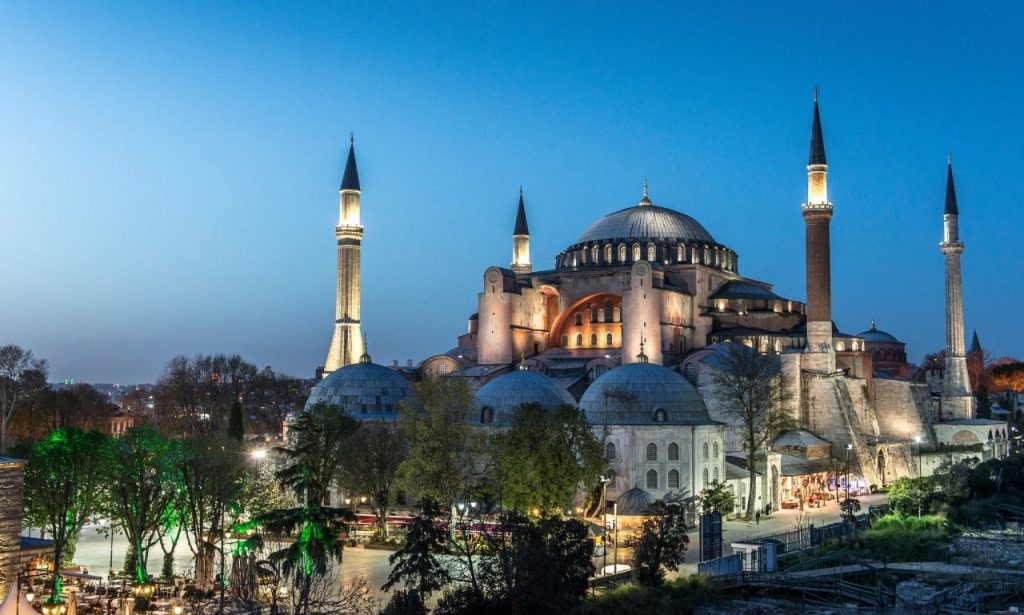
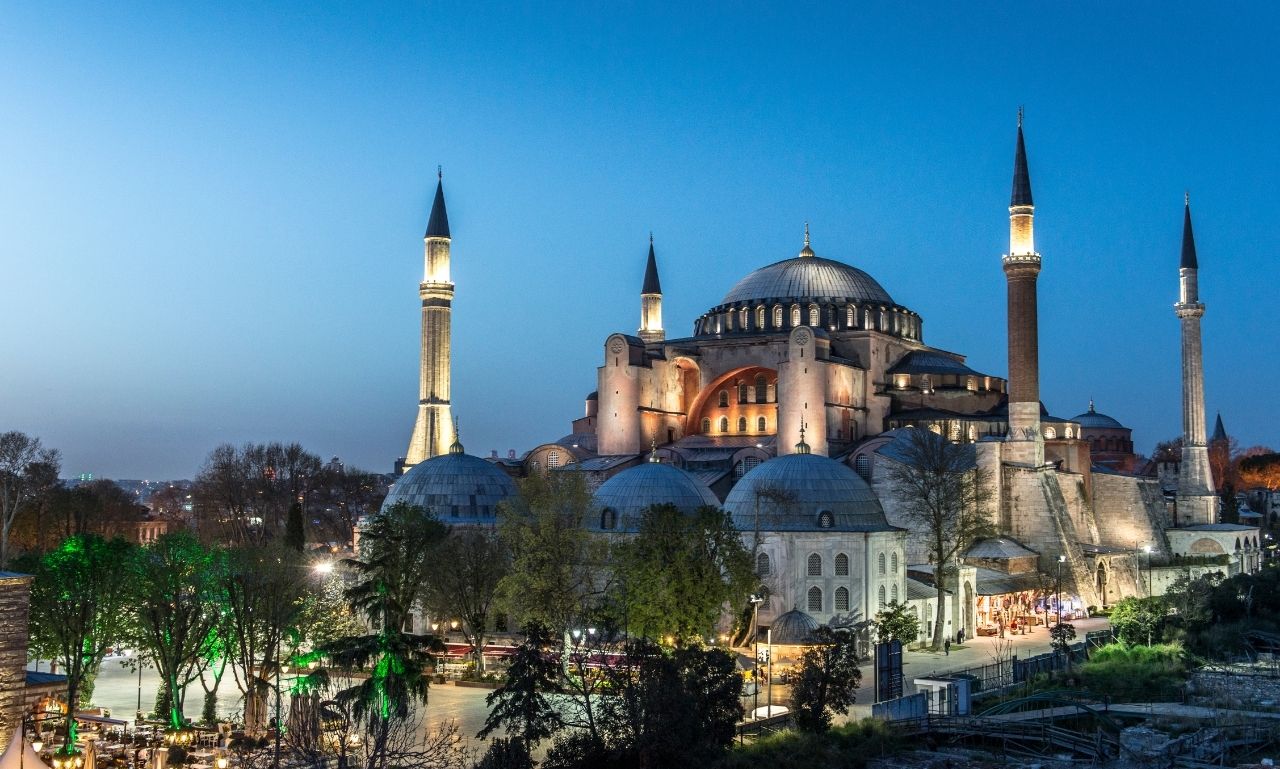
Start your first morning at Hagia Sophia before the crowds arrive. Get there by 9 AM. Seriously — the difference between 9 AM and 11 AM is about 3,000 tourists and a completely different experience.
Built in 537 AD under Emperor Justinian, Hagia Sophia stood as the world’s largest cathedral for nearly a thousand years. When the Ottomans conquered Constantinople in 1453, Sultan Mehmed II converted it into a mosque, and in 2020, it became an active mosque again. Today, it serves both worshippers and visitors, making it one of the most layered religious sites on Earth.
Stand under that central dome — 55 meters high — and look up. The Byzantine mosaics and Islamic calligraphy exist in the same space. History literally overlaps itself on the walls. You can’t replicate that feeling in a guidebook.
Blue Mosque
A five-minute walk from Hagia Sophia brings you to the Sultan Ahmed Mosque, known worldwide as the Blue Mosque. It’s the only mosque in Istanbul with six minarets, which — when it was built in the early 1600s — caused genuine controversy. Mecca’s mosque also had six. Sultan Ahmed had to fund a seventh at Mecca to settle the theological tension.
Inside, over 20,000 Iznik tiles cover the walls in deep blues and greens. Natural light pours through 260 windows. Go between prayer times — the mosque closes to visitors five times daily — and allow yourself a quiet moment to sit and absorb the atmosphere. Istanbul rewards the unhurried traveler.
Basilica Cistern
Directly across the street lies one of Istanbul’s best-kept secrets. The Basilica Cistern was built in the 6th century to supply water to the Great Palace of Constantinople. It held over 80,000 cubic meters of water. Today, it holds tourists, soft lighting, and two massive Medusa heads used as column bases — positioned sideways and upside down, for reasons historians still debate.
The cistern underwent a full renovation in 2022. The new lighting and walkways make it even more atmospheric. Budget about 45 minutes here. Don’t rush it — the reflections on the water and the echoing silence are genuinely memorable.
Topkapi Palace
Spend your second morning at Topkapi Palace — the administrative and residential center of the Ottoman Empire for nearly 400 years. Over 25 sultans lived here. The palace complex covers 700,000 square meters and overlooks the confluence of the Bosphorus and the Golden Horn. The view alone is worth the entrance fee.
Make sure you pay the extra admission to see the Harem. Many visitors skip it to save money. Don’t. The Harem housed over 400 rooms and was home to the sultan’s family, concubines, and servants. Walking through it gives you a very different picture of Ottoman life — one that palace propaganda usually doesn’t show.
Suleymaniye Mosque
After Topkapi, make your way up to the Suleymaniye Mosque — the masterpiece of Ottoman architect Mimar Sinan, completed in 1558. Sinan was obsessed with outdoing Hagia Sophia. Many architects argue that he succeeded.
The mosque complex includes a hospital, schools, a hammam, and a caravanserai. It was a full-functioning city within a city. Sinan’s tomb sits quietly in the garden behind the mosque. The area around Suleymaniye is also one of the most authentic in Istanbul — far fewer tourists, far more of the real city.
Spice Market
Head downhill to the Egyptian Bazaar, better known as the Spice Market. Built in 1664, this is where traders from Central Asia, Persia, and Egypt brought their goods into the city. Today, it remains one of the most sensory-rich places in Istanbul — sacks of sumac, dried figs, Turkish delight in thirty flavors, and the sharp scent of cumin in the air.
Buy something. Saffron, rose water, dried apricots — anything. The act of haggling, even lightly, connects you to four centuries of commerce happening in the same building. Few experiences are more grounding than that.
Ortaköy Mosque
Cross the Golden Horn on day three and head to Ortaköy. The Büyük Mecidiye Mosque sits right at the waterfront, with the Bosphorus Bridge rising dramatically behind it. This image — small baroque mosque, massive suspension bridge — is one of the most photographed in Istanbul.
The neighborhood around it is equally worth your time. Ortaköy is known for its kumpir (stuffed baked potatoes loaded with toppings) and its artisan market on weekends. Grab breakfast here. Sit by the water. Watch the ferries cross.
Dolmabahçe Palace
A short walk along the Bosphorus brings you to Dolmabahçe Palace — the Ottoman Empire’s attempt to compete with Versailles. Construction finished in 1856 and cost the equivalent of 35 tons of gold. The palace has 285 rooms, 46 halls, and the world’s largest Bohemian crystal chandelier — a gift from Queen Victoria, weighing 4.5 tons.
Mustafa Kemal Atatürk, founder of modern Turkey, died in this palace on November 10, 1938. Every clock in Dolmabahçe is stopped at 9:05 AM — the exact moment of his death. It’s a detail so specific and so human that it stops most visitors cold.
Panorama 1453 Museum
A slightly off-the-beaten-path stop, the Panorama 1453 Museum brings the Ottoman conquest of Constantinople to life through a massive 360-degree panoramic painting — 38 meters wide and 20 meters tall — surrounding a platform at the center. The level of detail is staggering.
For history lovers, this is an unmissable experience. For everyone else, it’s still a fascinating 45-minute window into one of the most consequential events of the 15th century.
Istiklal Street
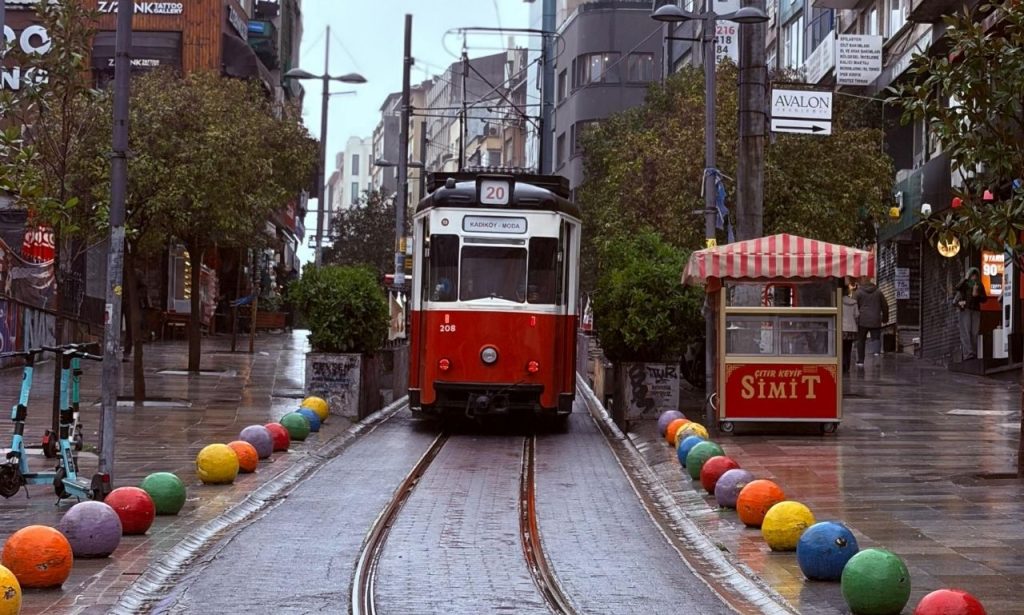
End your three days on Istiklal Street — the beating commercial heart of modern Istanbul. Over 3 million people walk this pedestrian avenue on weekends alone. Department stores, bookshops, patisseries, and meyhane (traditional taverns) line every block.
Take the historic red tram for one stop to say you did it. Then walk the full length. Stop for tea at a traditional çay evi. Buy a book from Pandora or Robinson Crusoe bookshops. Watch people. Istanbul at street level is its own education.
Conclusion
Three days in Istanbul barely scratches the surface. This city has been a Roman capital, a Byzantine stronghold, an Ottoman empire’s jewel, and a modern republic’s cultural engine — all in the same location. No algorithm curates that. No AI recreates standing under Hagia Sophia’s dome or smelling cardamom in the Spice Market.
Now you know exactly how to spend three magical days in Istanbul. The only question left is: when are you booking the flight?
FAQs
Three days cover the major highlights well. For a deeper experience, five to seven days is ideal.
April to June and September to November offer mild weather and fewer crowds than peak summer.
Yes — Istanbul is generally very safe. Exercise normal urban awareness, especially in busy markets.
It depends on your nationality. Many countries can get a Turkish e-Visa online before arrival.