Ever had that split-second moment when you hit the brakes and wondered if your car would actually stop in time? It’s not a great feeling. I once spoke to a taxi driver in Nairobi who admitted he had ignored a slight squeak for weeks. One rainy evening, that tiny noise turned into a delayed stop—and a costly accident.
Your brake system is one of those things you don’t think about until it fails. Yet it works every single time you drive. From navigating city traffic to cruising on highways, your brakes are constantly under pressure.
So, why should you care? Because regular brake checks aren’t just about maintenance. They’re about safety, savings, and peace of mind. Let’s break it down.
Safety
Driving is unpredictable. One minute you’re cruising, the next you’re reacting to sudden traffic or a pedestrian crossing. Reliable brakes give you control in these moments.
Think of your brake system as your car’s last line of defense. Even the best driving skills can’t compensate for faulty brakes. Regular checks ensure everything—from brake pads to fluid levels—is working as it should.
I’ve seen drivers treat brakes like a “fix it when it breaks” issue. That mindset can be dangerous. Staying proactive keeps you ahead of potential risks and protects everyone on the road.
Prevents Accidents
Accidents rarely happen without warning. In many cases, there are subtle signs—longer stopping distances, vibrations, or unusual noises.
Regularly checking your brake system lets you catch these signs early. That means you can fix small problems before they escalate into major hazards.
According to road-safety reports across Africa, brake failure is a leading cause of vehicle accidents. It’s not just about mechanical issues; it’s about missed opportunities to fix them in time.
Ask yourself this: would you rather spend a little time checking your brakes or deal with the aftermath of an avoidable crash?
Detect Issues Early
Your car talks to you more than you think. A squeal here, a soft pedal there—these are warning signs.
Regular inspections help you identify worn brake pads, leaking fluid, or damaged discs before they become serious. Early detection doesn’t just save money; it prevents dangerous situations.
Mechanics often say that most brake failures don’t happen overnight. They develop gradually. Ignoring those early signs is like ignoring a small leak in your roof—it only gets worse.
Pay attention. Your car is giving you clues.
Prolong Brake Life
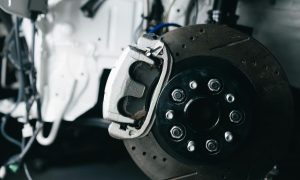
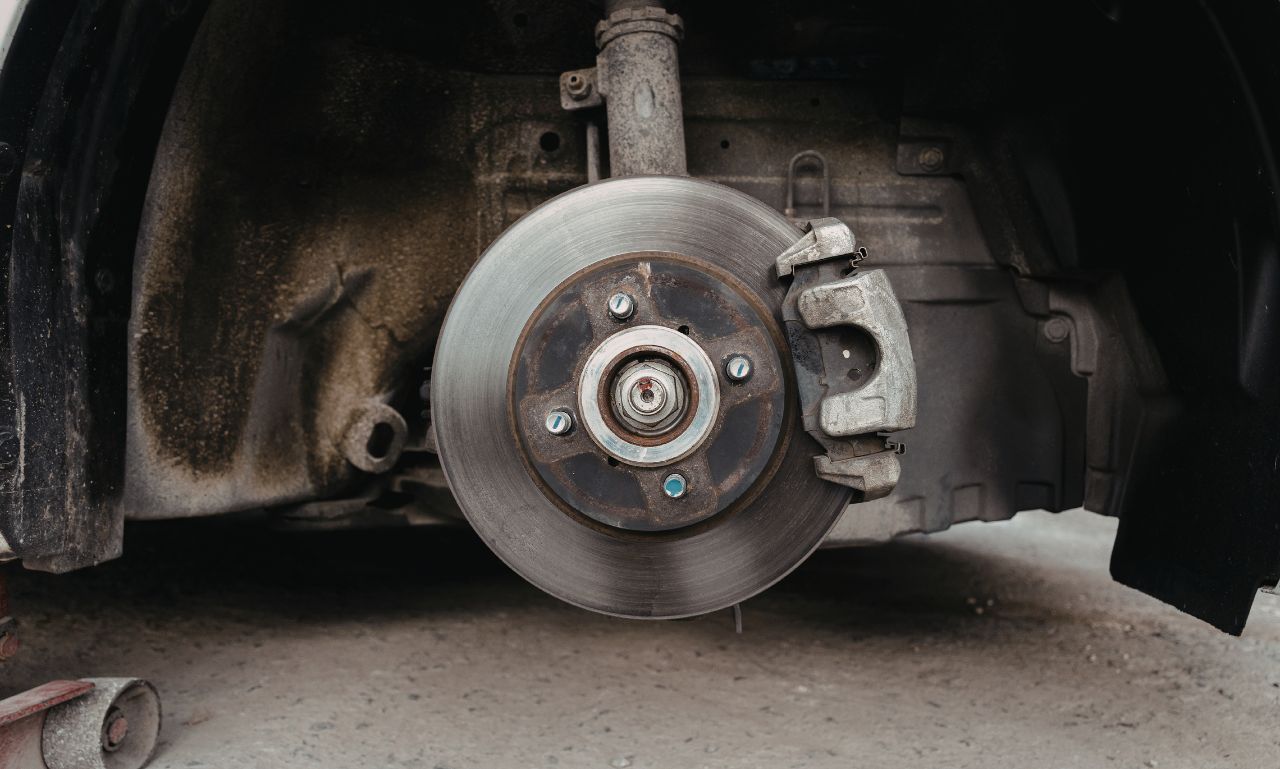
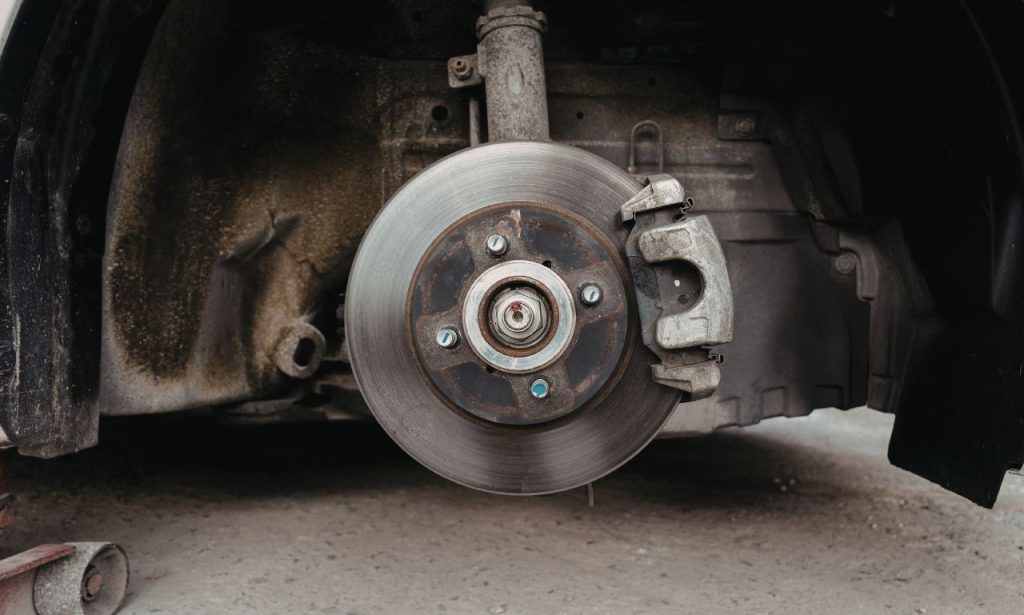
Replacing brake components isn’t cheap. Pads, rotors, and calipers all add up quickly.
Routine checks help you maintain these parts properly. Clean components, balanced pressure, and timely replacements extend the life of your entire brake system.
A friend of mine who runs a logistics company swears by monthly brake inspections. His fleet lasts longer, and he avoids frequent replacements. It’s not magic—it’s maintenance.
Treat your brakes well, and they’ll return the favor.
Maintain Brake Performance
Brake performance isn’t just about stopping—it’s about how smoothly and quickly your car responds.
Over time, wear and tear can reduce efficiency. You might notice delayed braking or uneven stopping. These issues can be subtle at first but dangerous if ignored.
Regular checks ensure your brakes remain sharp and responsive. Whether you’re driving in heavy traffic or on a long road trip, consistent performance matters.
Have you ever driven a car with perfectly tuned brakes? It feels controlled, predictable, and safe. That’s what you want every time you’re behind the wheel.
Reduce Repair Costs
Let’s talk about money. Ignoring brake issues can turn small fixes into expensive repairs.
Replacing worn brake pads is relatively affordable. But if those pads damage the rotors, your repair bill increases significantly. Add caliper issues, and the costs skyrocket.
Regular inspections help you fix problems early, which keeps expenses low. It’s a classic case of “a stitch in time saves nine.”
Many drivers delay maintenance, thinking they’re saving money. In reality, they’re setting themselves up for bigger bills later.
Avoid Brake Failure
Brake failure is every driver’s nightmare. Losing the ability to stop puts you and others at serious risk.
Regular checks reduce the chances of sudden failure. Mechanics can identify weak points and fix them before they become critical.
Real-world incidents often show that brake failure isn’t random. It’s usually the result of neglect. Low brake fluid, worn components, or overheating can all lead to failure.
Don’t wait for a warning light or a close call. Prevention is always better than reaction.
Compliance with Safety Standards
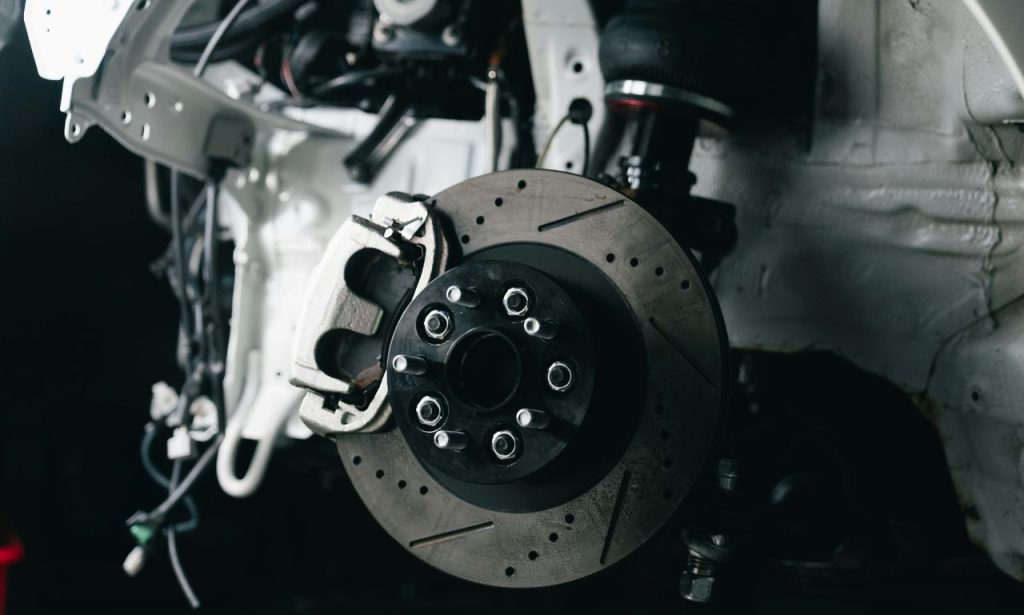
Many regions have safety regulations that require vehicles to meet certain standards. Your brake system plays a big role in this.
Regular checks ensure your car remains roadworthy and compliant. Failing to meet these standards can result in fines or even having your vehicle taken off the road.
For commercial drivers, this is even more critical. Businesses rely on safe vehicles to operate legally and efficiently.
Think of brake checks as part of responsible driving. It’s not just about you—it’s about everyone sharing the road.
Peace of Mind
There’s something powerful about knowing your car is in good condition. It changes how you drive.
When your brakes are well-maintained, you feel more confident. You’re not second-guessing every stop or worrying about unexpected issues.
Peace of mind isn’t something you can buy—it’s something you build through consistent care. Regular brake checks are a simple way to achieve that.
Next time you hit the road, ask yourself: Do you trust your brakes completely?
Conclusion
Your brake system isn’t just another car component. It’s a critical safety feature that protects you, your passengers, and everyone around you.
Regular checks help prevent accidents, reduce costs, and extend your vehicle’s life. More importantly, they give you confidence every time you drive.
Ignoring your brakes might seem harmless—until it isn’t. A small issue today can become a major problem tomorrow.
So, when was the last time you checked your brakes? If you can’t remember, it might be time to schedule an inspection.
FAQs
You should inspect your brakes every 6 months or during routine servicing.
Squeaking noises, vibrations, and delayed stopping are common warning signs.
It’s not safe. Worn pads reduce braking efficiency and can damage other components.
Costs vary, but regular checks are cheaper than major repairs or replacements.