Breakfast has a funny way of shaping the entire day. Get it right, and you feel focused, full, and productive. Get it wrong, and by 10 a.m., you are already digging through the kitchen looking for snacks.
In fact, nutrition experts have begun encouraging people to diversify their protein sources rather than relying on a single food. That shift explains why searches for egg-free vegetarian breakfasts keep climbing across Google.
If you have ever wondered what to eat besides plain toast or cereal, this guide is for you. Let’s talk about realistic breakfasts that fit busy mornings and keep hunger at bay for hours.
Why High-Protein Vegetarian Breakfasts Matter
How Much Protein Do You Really Need in the Morning?
Protein does much more than help bodybuilders grow muscle. A balanced, protein-rich breakfast supports energy levels, helps stabilize blood sugar, and keeps cravings under control later in the day.
Many dietitians recommend getting around 20 to 30 grams of protein at breakfast. That number frequently appears in nutrition studies and health publications because it tends to increase fullness and reduce unnecessary snacking.
Protein also helps preserve muscle mass as we age. According to researchers whose work was published in the American Journal of Clinical Nutrition, spreading protein intake throughout the day may support better muscle maintenance than saving most of it for dinner.
There is another benefit people rarely talk about enough. Protein slows digestion. That slower process helps prevent dramatic blood sugar swings that leave you tired and irritable before lunchtime.
Nobody wants to feel “hangry” during a morning Zoom call.
Can You Get Enough Protein Without Eggs?
Absolutely. This concern pops up constantly online because eggs have been marketed as the breakfast protein for decades.
Reality looks very different.
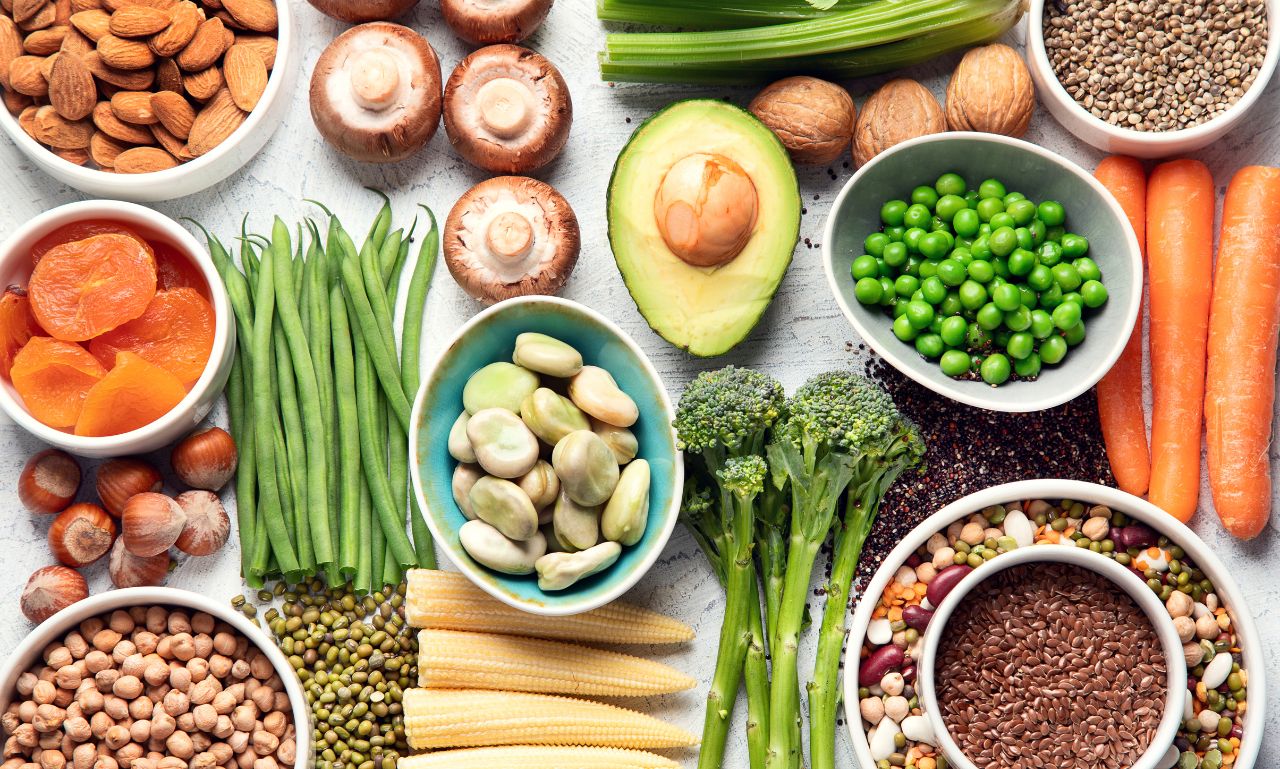
Lentils, quinoa, hemp seeds, soy milk, nuts, and seeds also contribute impressive amounts of protein. Once you start combining these foods, hitting your protein target becomes surprisingly easy.
For example, oats alone are decent. Oats with soy milk, peanut butter, and chia seeds become a powerhouse breakfast.
The biggest mistake many people make is assuming vegetarian meals automatically lack protein. Most of the time, the issue is not the diet itself. It is poor meal balance.
Best Protein-Rich Ingredients for Egg-Free Vegetarian Breakfasts
Plant-Based Protein Sources That Keep You Full Longer
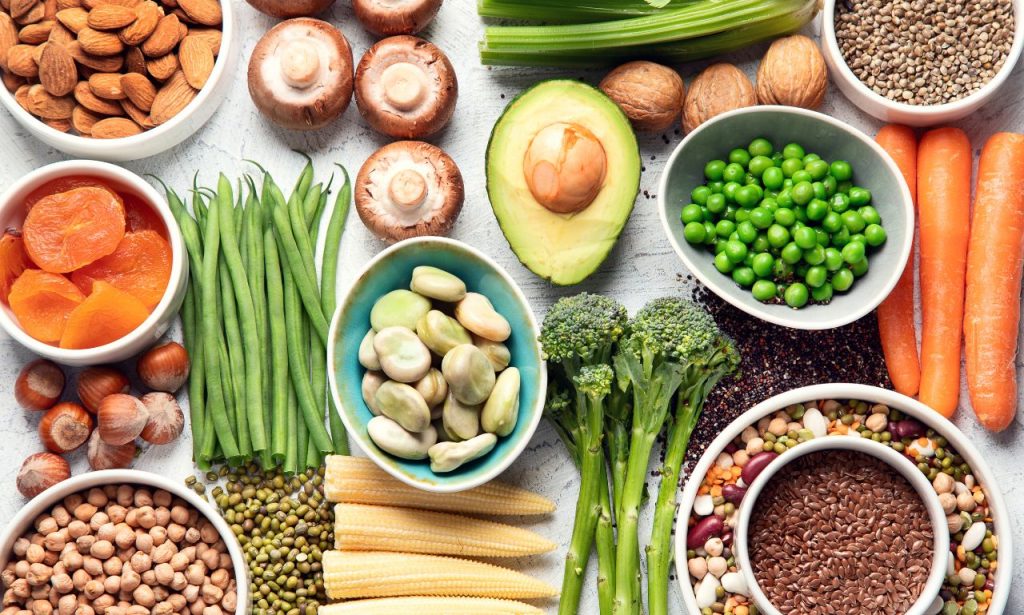
Some ingredients appear repeatedly in search results because they genuinely work.
Chia seeds are one example. Tiny? Yes. Powerful? Also yes. They contain fiber, protein, and omega-3 fats that help keep you full longer. Stir them into oatmeal or yogurt, and breakfast instantly becomes more satisfying.
Hemp seeds deserve attention too. Just a few spoonfuls add around 10 grams of protein with barely any effort. Plus, they blend easily into smoothies or breakfast bowls.
Tofu remains one of the most underrated breakfast ingredients. Many people only associate it with lunch or dinner, but tofu scramble can rival eggs when seasoned properly. Add turmeric, garlic, black pepper, and vegetables, and suddenly breakfast tastes far less boring.
Oats also carry more nutritional value than people realize. When combined with protein-rich ingredients, they create an affordable breakfast that provides sustained energy for hours.
Then there are beans and edamame. They may sound unusual for breakfast in some households, but savory breakfasts are common around the world. Black beans on toast or edamame in savory oatmeal can keep you full far longer than sugary cereal ever will.
Dairy and Dairy-Free Options With High Protein
Greek yogurt remains one of the easiest high-protein breakfast staples available today. It is convenient, versatile, and widely accessible. Add berries, nuts, or granola, and breakfast takes less than five minutes.
Skyr, the Icelandic yogurt growing in popularity, contains even more protein while offering a thick, creamy texture many people love.
Cottage cheese has quietly become trendy again thanks to social media recipes. Fitness creators blend it into smoothies, spread it on toast, or pair it with fruit for a high-protein breakfast that feels effortless.
Easy High-Protein Vegetarian Breakfast Ideas Without Eggs
Quick Make-Ahead Breakfasts for Busy Mornings
Let’s be honest. Most people are not cooking elaborate breakfasts at 7 a.m.
That is why make-ahead meals work so well.
Overnight oats continue dominating breakfast trends because they are simple, cheap, and filling. Mix oats, soy milk, chia seeds, peanut butter, and Greek yogurt in a jar before bed. In the morning, you will be grateful.
Chia pudding is another easy option. The texture can surprise people initially, but flavored versions with cocoa, berries, or cinnamon usually win skeptics over quickly.
Protein smoothies save time when mornings feel chaotic. Blend soy milk, banana, oats, peanut butter, and yogurt or tofu together for breakfast in minutes.
Yogurt parfaits also deserve a spot in the rotation. Layer yogurt, seeds, fruit, and granola into containers ahead of time. They feel fresh without requiring much effort.
Homemade protein bars are useful too, especially for commuters. Store-bought bars often cost too much and taste suspiciously like candy. Homemade versions using oats, nuts, and seeds usually taste better anyway.
Can vegetarian breakfasts be successfully meal-prepped? Definitely. Most of these meals actually taste better after sitting overnight because flavors blend together naturally.
Warm and Savory High-Protein Breakfast Recipes
Sweet breakfasts are popular, but savory options can feel far more satisfying.
Tofu scramble remains a classic for good reason. It is warm, filling, and endlessly customizable. Add mushrooms, spinach, peppers, or black beans depending on what is already in your fridge.
Lentil toast sounds simple because it is. Seasoned lentils piled onto toasted sourdough create a protein-packed breakfast with plenty of fiber.
Savory quinoa bowls are another underrated choice. Combine quinoa with roasted vegetables, cottage cheese, or avocado for a breakfast that feels comforting without making you sleepy afterward.
Savory oatmeal surprises many people. Cook oats with vegetable broth instead of sugar, then top them with tofu, spinach, or parmesan cheese. It feels completely different from the instant oatmeal packets most people grew up eating.
Breakfast wraps also work beautifully for meal prep. Fill whole-grain tortillas with beans, tofu, quinoa, or cottage cheese, then wrap them tightly for grab-and-go mornings.
Here is the interesting part: none of these breakfasts require protein powder to hit strong protein numbers.
Common Mistakes to Avoid When Making Vegetarian Breakfasts
Why Some Vegetarian Breakfasts Leave You Hungry
A breakfast can look healthy while secretly lacking balance.
Plain cereal with almond milk often contains very little protein. Fruit-only smoothies digest quickly and leave people hungry again within an hour. Pastries and plain toast create blood sugar spikes followed by energy crashes.
The issue is not carbs themselves. Problems happen when meals rely almost entirely on refined carbohydrates without enough protein or healthy fats.
Imagine eating a muffin for breakfast. Tasty? Sure. Filling? Usually not.
Now compare that to overnight oats with seeds and Greek yogurt. One breakfast keeps you full for hours while the other sends you searching for snacks before lunch.
Balanced meals matter because they slow digestion and improve satiety. Protein, fiber, and healthy fats work best together rather than separately.
Are Protein Powders Necessary for Vegetarian Diets?
Most vegetarians do not need protein powders every day.
Whole foods can provide plenty of protein when meals are planned thoughtfully. Tofu, lentils, yogurt, cottage cheese, soy products, and seeds already contain substantial amounts of protein.
Still, supplements can help in certain situations. Athletes, highly active people, or individuals struggling to meet protein needs may occasionally benefit from convenient protein powders.
The key is moderation. Protein powders should support a balanced diet, not replace real food entirely.
If you choose one, look for products with simple ingredient lists and low added sugar. Pea protein and soy protein are common vegetarian-friendly choices.
Real food should always come first whenever possible.
How to Build a Balanced High-Protein Breakfast Routine
Simple Meal Planning Tips for Consistent Healthy Eating
Healthy eating becomes easier when breakfast stops feeling complicated.
Start with a few reliable staples. Oats, tofu, Greek yogurt, seeds, beans, and soy milk can create dozens of quick breakfasts without requiring fancy ingredients.
Batch preparation helps tremendously during busy weeks. Prepare overnight oats, smoothie packs, or breakfast wraps ahead of time so mornings feel less stressful.
Freezer-friendly meals are lifesavers too. Breakfast burritos or homemade protein muffins reheat quickly when schedules become hectic.
Budget matters as well. Lentils, oats, peanut butter, and beans remain some of the cheapest protein sources available. Social media often pushes expensive “superfoods,” but basic pantry ingredients work perfectly fine.
Variety also keeps breakfast enjoyable. Nobody wants the same meal every single day.
High-Protein Vegetarian Breakfasts for Different Health Goals

Different goals require different breakfast strategies.
For weight loss, focus on meals high in protein and fiber, as they naturally increase fullness. Greek yogurt bowls or tofu scrambles work especially well.
People trying to gain muscle often benefit from larger portions and slightly higher overall protein intake. Smoothies with soy milk, oats, and nut butter can support recovery after workouts.
For stable energy and blood sugar management, balanced meals become even more important. Pairing protein with healthy fats and fiber helps prevent sharp crashes later in the day.
Family-friendly breakfasts should stay flexible. Overnight oats, wraps, and parfaits can easily be customized for adults and children alike.
Lifestyle matters too. A college student rushing to class needs different breakfast solutions than someone working remotely from home.
The best breakfast routine is always the one you can realistically stick with long term.
Conclusion
Finding satisfying vegetarian breakfasts without eggs is easier than most people expect. You do not need complicated recipes, expensive supplements, or endless meal prep to eat well in the morning.
Simple ingredients like tofu, Greek yogurt, oats, lentils, cottage cheese, and seeds can create breakfasts that actually keep you full and energized.
The real secret comes down to balance. Pair protein with fiber and healthy fats, and your mornings feel completely different.
So tomorrow morning, skip the plain toast routine. Try something with real staying power instead. Your stomach will probably thank you by 11 a.m.
FAQs
Yes. Foods like tofu, lentils, yogurt, soy milk, beans, and seeds provide plenty of protein naturally.
Overnight oats with chia seeds, soy milk, and Greek yogurt are one of the easiest make-ahead breakfasts.
Not always. Most vegetarians can meet protein needs through balanced whole-food meals.
Soy milk usually contains the highest protein among common plant-based milk alternatives.