Meal prep sounds great in theory. You cook once, save hours during the week, and avoid expensive takeout. Then Wednesday arrives, and your roasted broccoli feels limp, your cucumbers look watery, and your salad resembles something forgotten in the back of the fridge.
Most people blame the vegetables themselves. In reality, the issue usually comes from moisture, storage habits, and cooking methods. Even experienced home cooks run into this problem. A 2024 consumer survey by Statista found that more people are meal prepping weekly than ever before, yet food texture remains one of the top complaints among home cooks.
The good news? You do not need expensive gadgets or chef-level skills to fix it. Small adjustments can completely change the way your vegetables hold up during the week.
If you have been wondering how to Avoid Soggy Vegetables in Weekly Meal Prep, this guide breaks everything down in a practical and realistic way.
Why Vegetables Turn Soggy During Meal Prep
Vegetables naturally contain water. Some hold more moisture than others, and once they are cooked or stored improperly, that water has nowhere to go. The result is a mushy texture that ruins an otherwise healthy meal.
How Moisture, Steam, and Storage Conditions Affect Vegetable Texture
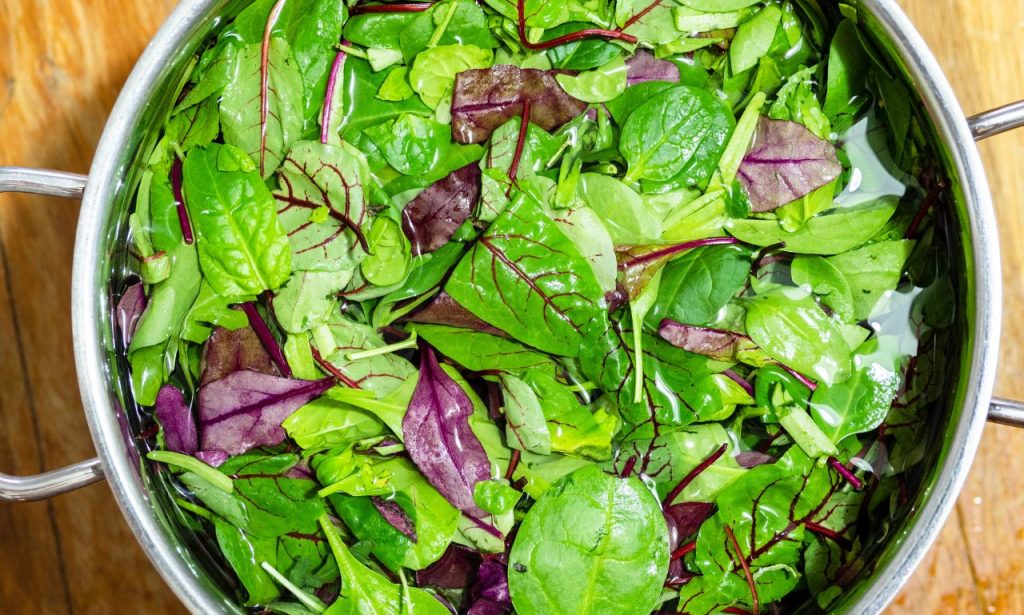
Steam is one of the biggest hidden culprits in meal prep. Many people cook vegetables and immediately seal them inside containers while they are still warm. That trapped steam condenses, which slowly softens the food.
Think about restaurant kitchens for a second. Most chefs allow roasted vegetables to cool before storage. There is a reason for that. Hot food releases moisture continuously. Sealing it too quickly creates a mini sauna inside your container.
Storage conditions matter just as much. Refrigerators are humid spaces, especially when packed with leftovers. Vegetables like spinach, zucchini, and cucumbers absorb that moisture quickly.
Paper towels help more than people realize. Professional meal prep services often place absorbent liners beneath greens to reduce excess water buildup. It sounds simple because it is simple.
Container choice also changes everything. Cheap plastic containers sometimes trap too much moisture. Glass containers with tight but ventilated lids tend to preserve texture longer.
The Biggest Meal Prep Mistakes That Cause Mushy Vegetables
Overcrowding containers is one of the most common mistakes. Vegetables need airflow. Stuffing everything together traps moisture and speeds up softening.
Another issue comes from mixing wet and dry ingredients too early. Tomatoes sitting beside lettuce for three days almost always lead to soggy salads. Dressing salads in advance creates the same problem.
Cooking vegetables too long also destroys texture before storage even begins. Broccoli, carrots, and green beans should still have slight firmness after cooking. If they feel fully soft on day one, they will turn mushy by day three.
Freezing and thawing vegetables incorrectly can create another disaster. High-water vegetables release moisture rapidly once thawed. Cucumbers and lettuce rarely recover well after freezing.
Many meal prep beginners learn these lessons the hard way. Honestly, almost everyone has opened a container midweek and wondered what went wrong.
The Best Vegetables for Weekly Meal Prep
Not every vegetable survives meal prep equally well. Some remain crisp for days, while others decline within hours.
Choosing the right produce makes weekly prep far easier.
Vegetables That Stay Fresh and Crisp for Several Days
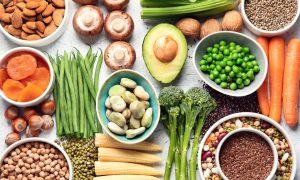
Harder vegetables usually perform best during meal prep. Broccoli, carrots, cabbage, cauliflower, and bell peppers retain their texture longer because they have a less delicate water structure.
Roasted sweet potatoes also store surprisingly well. Their natural starch helps them maintain consistency without turning watery.
Cabbage deserves more attention in meal prep conversations. It stays crisp longer than leafy greens and works well in salads, bowls, and stir-fries. Korean meal prep culture relies heavily on cabbage for this exact reason.
Green beans and snap peas also maintain bite when cooked properly. Slight undercooking helps them stay firm throughout the week.
Bell peppers are another reliable choice. They work raw or roasted and rarely become mushy if stored correctly.
Vegetables That Should Be Stored or Prepared Separately
Some vegetables simply do not enjoy long storage after preparation.
Cucumbers release water quickly, especially after slicing. Keeping them separate from other ingredients prevents soggy bowls and salads.
Tomatoes create similar problems. Once cut, they continuously leak moisture. Cherry tomatoes perform slightly better because their skin holds structure longer.
Leafy greens need extra attention too. Spinach and lettuce wilt fast if exposed to dressing, moisture, or warm ingredients.
Zucchini can be tricky during meal prep. It contains a high water content, so overcooking almost guarantees mushiness later.
Avocados deserve separate storage as well. Nobody enjoys brown, overly soft avocado chunks by Thursday afternoon.
A smart strategy is to store delicate vegetables separately and combine meals just before eating.
Smart Cooking Techniques to Keep Vegetables Crisp
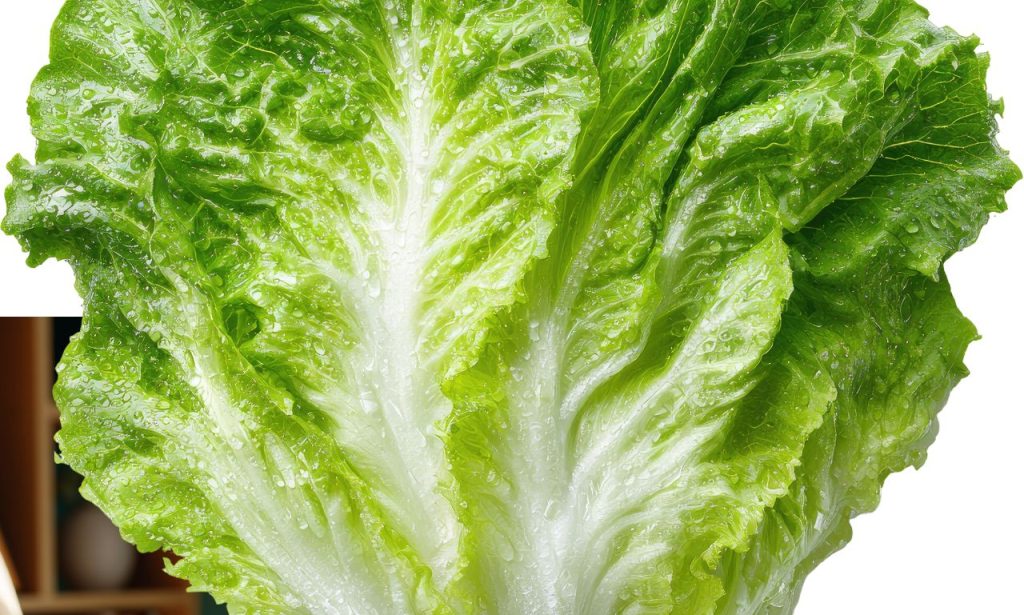
Cooking methods affect texture more than most people realize. The wrong technique leaves vegetables soggy before they even enter the fridge.
Roasting, Blanching, and Air Frying Methods That Prevent Sogginess
Roasting remains one of the best meal-prep cooking methods because it naturally removes excess moisture. High heat caramelizes the outside while preserving some firmness inside.
Spread vegetables evenly on baking sheets instead of crowding them together. Overcrowding causes steaming instead of roasting.
Air fryers have become popular for good reason. They circulate hot air rapidly, creating crisp edges without soaking vegetables in oil. Brussels sprouts and cauliflower perform especially well in air fryers.
Blanching works well for green vegetables like broccoli and green beans. A quick boil followed by an ice bath preserves both texture and color.
Restaurants often use this technique before service because it keeps vegetables vibrant and firm for longer periods.
Avoid boiling vegetables for meal prep whenever possible. Boiling saturates them with water, which often results in mushiness during storage.
How to Avoid Overcooking Vegetables During Batch Cooking
Batch cooking creates a temptation to cook everything longer “just to be safe.” Unfortunately, vegetables continue softening after cooking due to residual heat.
Pull vegetables from heat slightly earlier than you think necessary. They should still have a little bite.
Timing matters more than perfection. Thin vegetables cook quickly, while dense vegetables need longer roasting.
One practical trick is to separate vegetables by cooking time. Carrots and potatoes should not roast alongside spinach or zucchini.
Cooling vegetables properly is equally important. Spread cooked vegetables on trays before storage. This prevents trapped steam from ruining texture.
Professional caterers use this cooling method consistently because large batches produce enormous amounts of steam.
Proper Storage Tips for Keeping Meal Prep Vegetables Fresh
Cooking matters, but storage determines whether vegetables survive until Friday.
A few small adjustments can dramatically extend freshness.
The Best Containers, Paper Towels, and Layering Methods for Storage
Glass containers work best for meal prep because they resist odor buildup and control moisture more effectively than thin plastic.
Layering ingredients strategically also helps. Place heavier foods at the bottom and delicate vegetables on top.
Paper towels absorb excess moisture surprisingly well. Lining salad containers with dry paper towels can extend freshness by several days.
Mason jars work beautifully for layered salads too. Dressing stays at the bottom while greens remain dry on top until eating time.
Ventilated produce containers are worth considering if you regularly prep vegetables. Many grocery stores now sell produce keepers designed specifically to manage humidity.
Sometimes the simplest solutions work best. Even slightly opening container lids while cooling vegetables can significantly reduce condensation.
How to Store Raw and Cooked Vegetables to Extend Freshness
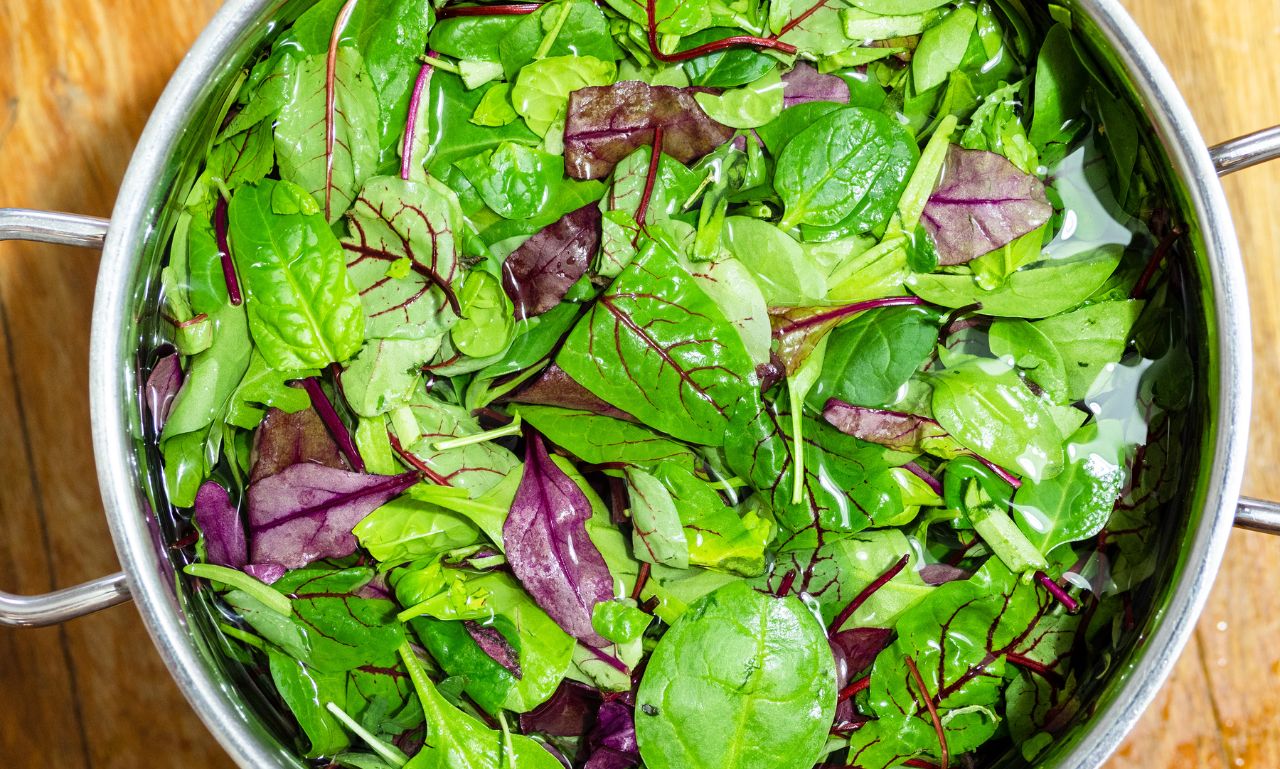
Raw vegetables generally last longer when washed and dried thoroughly before storage. Moisture left behind after rinsing accelerates spoilage.
Salad spinners help more than most people expect. Dry greens stay crisp far longer than damp ones.
Cooked vegetables should cool completely before refrigeration. Warm food increases humidity inside containers quickly.
Separate sauces and dressings whenever possible. Adding them only before eating keeps vegetables fresh and flavorful.
Temperature consistency matters too. Frequent fridge opening exposes food to temperature fluctuations that shorten its shelf life.
Many meal prep enthusiasts prepare ingredients rather than full meals for this reason. Keeping components separate gives vegetables a longer lifespan.
Weekly Meal Prep Ideas That Keep Vegetables Fresh and Flavorful
Good meal prep should feel convenient, not depressing. Fresh textures make healthy eating easier to maintain.
Make-Ahead Salads, Bowls, and Stir-Fries That Stay Crisp
Grain bowls work exceptionally well for weekly prep because grains absorb moisture without ruining vegetables.
Brown rice, quinoa, or couscous pair nicely with roasted vegetables and proteins. Keeping sauces separate preserves texture.
Asian-inspired cabbage salads also hold up beautifully. Cabbage stays crunchy longer than lettuce and pairs well with sesame or peanut dressings.
Stir-fries succeed when vegetables are cooked quickly over high heat. Slight crispness should remain after cooking.
Tex-Mex bowls featuring corn, black beans, peppers, and shredded cabbage also stay fresh throughout the week.
Ever noticed how deli salads sometimes stay crisp longer than homemade versions? Many delis store wet ingredients separately until serving. Borrowing that habit makes a huge difference.
Frequently Asked Questions About Meal Prep Vegetables and Freshness
People often ask how long meal-prepped vegetables actually last. Most cooked vegetables stay fresh for three to five days when stored properly.
Others wonder whether frozen vegetables work for meal prep. They can, especially in soups or stir-fries, though texture changes slightly after thawing.
Many home cooks also ask whether meal prep containers truly matter. They do. Better airflow and moisture control preserve texture longer.
One common concern involves reheating vegetables. Microwaving too long creates extra moisture, so shorter heating times help maintain firmness.
The question of how to Avoid Soggy Vegetables in Weekly Meal Prep usually comes down to moisture control more than anything else.
Conclusion
Meal prep should make life easier, not leave you staring sadly at watery broccoli on Thursday night.
Fresh vegetables last longer when cooked carefully, properly cooled, and stored with moisture control in mind. Small habits like separating wet ingredients, using paper towels, and avoiding overcooking create noticeable improvements fast.
You do not need restaurant equipment or complicated systems. Consistency matters more than perfection.
Once you understand how to Avoid Soggy Vegetables in Weekly Meal Prep, healthy eating becomes far more enjoyable during busy weeks.
So next Sunday, try changing just one or two habits from this guide. Your vegetables will thank you by Friday.
FAQs
Most cooked vegetables stay fresh for three to five days when refrigerated properly.
Yes. Allowing vegetables to cool reduces trapped steam and prevents sogginess.
Glass containers usually control moisture better and help vegetables stay crisp longer.
Cucumbers, zucchini, tomatoes, and leafy greens soften quickly after storage.