Few breakfast disappointments compare to biting into a pancake that feels rubbery instead of soft and fluffy. Most people blame the recipe, the pan, or even the syrup. In reality, the problem often starts long before the batter hits the skillet.
What Happens If You Overmix Pancake Batter? The short answer is simple: your pancakes become dense, chewy, and tough. A few extra stirs can completely change the final texture.
Home cooks make this mistake all the time because a smooth batter looks “right.” Ironically, pancake batter should look slightly messy. Those tiny lumps you want to whisk away are often the secret to diner-style pancakes.
If you have ever wondered why restaurant pancakes feel airy while homemade ones sometimes resemble flat bread, the mixing process is usually the reason. Let’s break down exactly what happens inside the bowl and how you can avoid the most common pancake disasters.
Why Pancake Batter Texture Matters
Pancakes seem simple, but texture decides whether breakfast feels comforting or forgettable. Great pancakes should feel soft, light, and tender with a slightly crisp edge. Batter consistency plays a huge role in creating that balance.
The Science Behind Light and Fluffy Pancakes
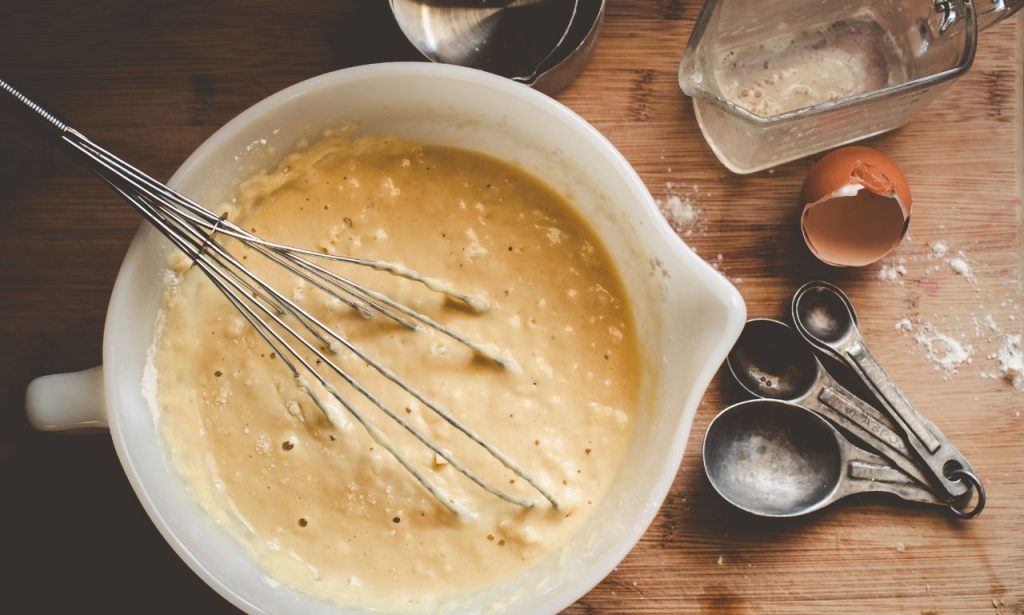
Fluffy pancakes rely on trapped air and controlled gluten formation. When ingredients combine gently, small air pockets remain in the batter. During cooking, heat expands those pockets, creating a soft interior.
Baking powder also joins the party. Once liquid touches the leavening agent, bubbles begin forming immediately. Those bubbles help pancakes rise as they cook.
Professional breakfast chefs often compare pancake batter to muffin batter. Both require a light hand. Stirring too aggressively knocks out air and limits the rise.
Texture also affects flavor perception. Soft pancakes absorb syrup evenly and feel richer on the palate. Dense pancakes, on the other hand, can taste dry even when loaded with butter.
How Gluten Development Changes Pancake Texture
Flour contains proteins called glutenin and gliadin. Once mixed with liquid, those proteins form gluten. Some gluten is necessary because it gives pancakes structure.
Bread dough benefits from strong gluten development. Pancakes do not.
Overmixing activates more gluten strands, turning delicate batter into something elastic. Instead of tender pancakes, you end up with a chewy texture similar to undercooked sandwich bread.
Another issue appears during cooking. Overdeveloped gluten traps less air, so pancakes spread unevenly and cook up flatter. The final stack looks sad before anyone even grabs the maple syrup.
What Happens When You Overmix Pancake Batter?
Many people assume overmixing only changes appearance. Unfortunately, the effects go much deeper than a few flat pancakes.
Why Overmixed Batter Creates Tough and Chewy Pancakes
Once pancake batter is overstirred, the gluten network tightens. That tight structure prevents pancakes from expanding properly on the griddle.
Instead of light layers, the inside becomes compact. Each bite feels heavier and slightly gummy.
You may also notice less browning. Pancakes with excessive gluten often cook unevenly because the batter loses its delicate balance of moisture and air.
Breakfast chains spend years perfecting consistency. Former IHOP cooks have mentioned online that batter handling is carefully controlled to maintain softness. Commercial kitchens know texture keeps customers returning.
Common Signs Your Pancake Batter Has Been Overmixed
Several warning signs appear before the pancakes even cook.
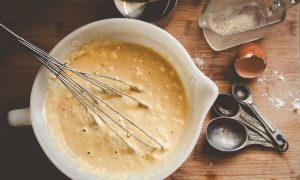
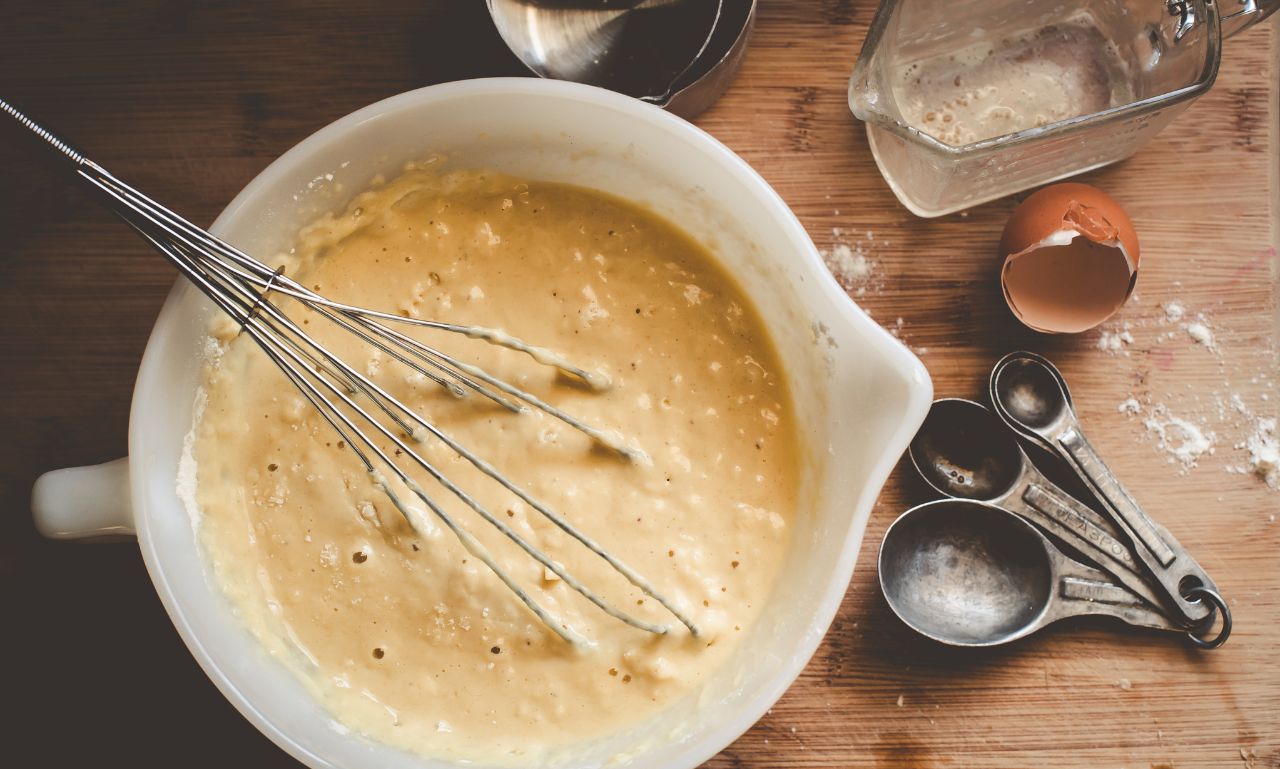
The batter may look glossy instead of slightly rough. You might also notice it becoming stretchy when lifted with a spoon.
During cooking, overmixed batter spreads less evenly across the pan. Pancakes often rise poorly and develop irregular shapes.
Tiny tunnels inside the pancake are another sign. Those holes form because gluten structures become too tight while cooking.
Have you ever eaten pancakes that felt oddly “wet” in the middle despite being fully cooked? That happens frequently with overworked batter.
How to Mix Pancake Batter the Right Way
Good pancakes require restraint more than effort. Surprisingly, less mixing usually produces better results.
Best Techniques for Mixing Pancake Batter Without Overworking It
Start by whisking dry ingredients separately. In another bowl, combine wet ingredients until smooth. Once both mixtures are ready, pour wet into dry rather than the other way around.
Use a spoon or silicone spatula instead of an electric mixer. Gentle folding works best.
Stop stirring as soon as no large streaks of flour remain. Small lumps are perfectly fine. In fact, they are encouraged.
Many seasoned cooks count their stirs. Around ten to twelve folds usually work for standard pancake recipes.
Timing matters too. Once liquid activates baking powder, prolonged mixing weakens its effectiveness.
If you cook pancakes every weekend, try this experiment. Mix one batch until perfectly smooth and another until just combined. The texture difference becomes obvious after the first bite.
Should Pancake Batter Be Lumpy? Understanding the Ideal Consistency
Yes, pancake batter should absolutely contain lumps.
Those small pockets of flour hydrate naturally while the batter rests. Trying to eliminate every lump often creates the exact problem you want to avoid.
Restaurant-style pancakes usually come from batter with visible texture. Food stylists often mention this during cooking demonstrations because viewers constantly assume smooth batter equals better pancakes.
A few dry spots here and there are completely normal. As long as no large flour pockets remain, your batter is ready.
The next time you feel tempted to keep whisking, remember this: lumpy batter often creates fluffy pancakes.
Common Pancake Batter Mistakes and How to Fix Them
Overmixing is common, but several other mistakes can ruin the texture of pancakes just as quickly.
Can You Save Overmixed Pancake Batter?
You cannot fully reverse overmixed batter, but you can improve it slightly.
Letting the batter rest for fifteen minutes may relax some gluten strands. The pancakes will not become perfectly fluffy, though the texture can soften a little.
Another trick is to add a small splash of milk and fold gently. Extra liquid sometimes loosens overly tight batter.
Some cooks separate an egg white, whip it lightly, and fold it into the batter before cooking. That method restores some of the lost airiness.
Still, prevention works far better than rescue attempts.
If the batter already looks stretchy and glue-like, expectations should stay realistic. Even experienced bakers occasionally end up with “practice pancakes.” It happens to everyone.
Other Pancake Mistakes That Affect Texture and Flavor
Old baking powder creates flat pancakes because it loses strength over time. If yours has been sitting in the pantry since last football season, it may be time for a replacement.
Pan temperature also matters. A skillet that is too hot burns the outside while leaving the inside undercooked.
Using too much flour also causes heaviness. Measuring cups packed tightly with flour can throw off the recipe completely.
Another frequent mistake involves pressing pancakes with a spatula while cooking. Many people do this automatically, especially during busy mornings. Unfortunately, pressing removes air and instantly flattens the texture.
Expert Tips for Making Better Pancakes Every Tim
e
Small adjustments often create the biggest improvements. Professional cooks rely on consistency and patience more than fancy recipes.
Should You Let Pancake Batter Rest Before Cooking?
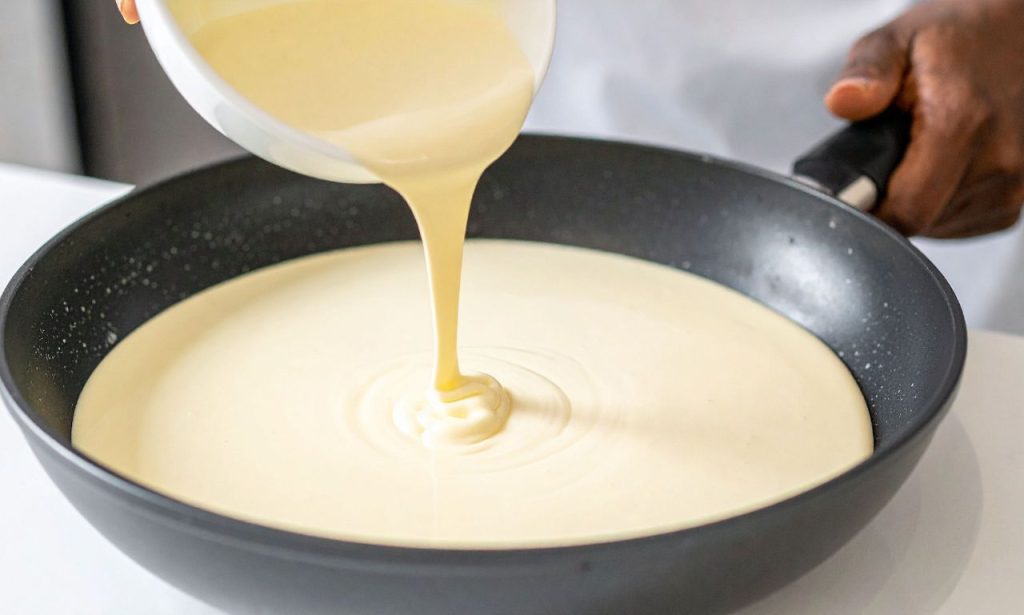
Absolutely. Resting batter improves texture significantly.
A short resting period allows flour to hydrate fully while gluten relaxes slightly. Most experts recommend waiting five to fifteen minutes before cooking.
This pause also helps bubbles distribute more evenly throughout the batter.
You may notice thicker consistency after resting. That is completely normal. Resist the urge to aggressively stir again.
Some Sunday brunch restaurants prepare batter in small batches throughout service because freshly rested batter performs better than batter left to sit for hours.
Best Ingredients and Tools for Perfect Homemade Pancakes
Fresh ingredients make a noticeable difference. Real buttermilk creates tanginess and tenderness that regular milk cannot fully match.
Vanilla extract adds warmth without overpowering the flavor. Melted butter contributes richness and helps pancakes brown evenly.
Want a simple upgrade? Try using room-temperature ingredients. Cold eggs and milk can stiffen melted butter and affect batter texture.
Little details matter more than complicated recipes.
Conclusion
What Happens If You Overmix Pancake Batter? In most cases, you end up with dense, chewy pancakes that lose the soft texture everyone loves.
Fortunately, fixing the issue starts with one simple habit: mix less. Slightly lumpy batter creates lighter pancakes by limiting gluten development and preserving air pockets.
Cooking great pancakes is less about perfection and more about restraint. The bowl should not look flawless. Ironically, the messier batter often wins.
FAQs
No. Slight lumps are normal and actually help create softer pancakes.
Yes. Resting helps hydrate flour and relax gluten for fluffier pancakes.
Rubbery pancakes usually result from overmixing or using too much flour.
Hand mixing works better because electric mixers can overwork the batter quickly.