
Your first trip is exciting. It is also a learning experience. No matter how much research you do beforehand, there will always be a few surprises along the way. The good news is that many of the challenges first-time travelers face are predictable. Learning what the biggest mistakes first-time travelers make can help you avoid unnecessary stress and spend more time enjoying the places you’ve traveled so far to see.
Why First-Time Travelers Often Make Avoidable Mistakes
Travel looks effortless online. Beautiful beaches, perfect sunsets, and smiling faces fill social media feeds, making every destination seem easy to navigate. What those photos rarely show are delayed flights, confusing train stations, unexpected expenses, or the exhaustion that comes after trying to squeeze too much into one day.
Most first-time travelers haven’t experienced these situations before. They naturally focus on the exciting parts of planning and overlook the practical details that make a trip run smoothly. That doesn’t mean they’re unprepared. It simply means experience teaches lessons that no guidebook can fully teach.
Expecting Every Day to Go Exactly as Planned

One delayed flight can affect hotel check-ins, sightseeing plans, and even restaurant reservations. Weather can change without warning, attractions may close for maintenance, and public transport doesn’t always run on schedule.
Instead of treating these moments as disasters, experienced travelers expect them to happen from time to time. Staying flexible often turns an unexpected change into an opportunity to discover something you hadn’t planned to see.
Packing an Itinerary That Leaves No Time to Breathe
It’s easy to think you’ll have enough energy to visit five attractions, walk several miles, and stay out until midnight every day. Reality usually feels different after carrying luggage, adjusting to a new time zone, and spending hours exploring unfamiliar streets.
Leaving a little space in your schedule often makes the trip more enjoyable. Some of the best travel memories come from wandering into a quiet café, finding a local market, or simply sitting in a park and watching daily life unfold.
Common Planning Mistakes Before Leaving Home
Planning isn’t just about booking flights and hotels. The small details are often the ones that save you from major problems later.
A few extra minutes spent checking documents or reviewing your budget can prevent hours of frustration once you’re already traveling.
Forgetting to Double Check Travel Requirements
Many people assume that having a passport is enough. In reality, every country has its own entry rules.
Some destinations require visas, proof of onward travel, vaccination records, or passports that remain valid for several months beyond your return date. Missing even one requirement can stop your journey before it begins.
It’s also worth saving digital copies of important documents and carrying printed backups. If your phone is lost or runs out of battery, having paper copies can make replacing documents much easier.
Only Budgeting for Flights and Hotels
Accommodation and airfare usually receive the most attention during planning, but they rarely represent the full cost of a holiday.
Airport transfers, checked baggage, local transport, attraction tickets, meals, travel insurance, and mobile data all add up surprisingly quickly. Even small purchases like coffee, snacks, or public transport fares can stretch your budget if you haven’t planned for them.
Keeping a financial cushion for unexpected expenses makes traveling far less stressful.
Packing Mistakes That Cause Problems Later
Ask experienced travelers what they packed but never used, and you’ll probably hear plenty of funny stories.
Packing well isn’t about fitting more into a suitcase. It’s about carrying what genuinely helps during your trip.
Bringing Too Much Instead of Bringing the Right Things
Many first-time travelers prepare for every possible situation. Before long, the suitcase becomes heavier than necessary.
Most people end up wearing the same comfortable outfits repeatedly, while the extra clothes remain untouched.
Choosing versatile clothing, limiting shoes, and packing items that work together make traveling much easier. Your back will certainly appreciate it when you’re climbing hotel stairs or walking through busy train stations.
Forgetting the Small Essentials
Interestingly, the items people forget are rarely the obvious ones.
Portable chargers, travel adapters, prescription medication, reusable water bottles, sunglasses, and offline maps don’t take much space, yet they solve problems almost every traveler eventually encounters.
These little essentials often make the difference between a smooth day and an unnecessarily stressful one.
Mistakes Travelers Make Once They Reach Their Destination

Arriving at your destination feels like crossing the finish line, but good travel decisions still matter every day of the trip.
Being aware of your surroundings and respecting local customs usually leads to better experiences than simply following a list of tourist attractions.
Ignoring Local Culture and Everyday Etiquette
Every destination has its own traditions, customs, and social expectations.
Learning a few local greetings, understanding basic etiquette, and dressing appropriately where necessary show respect for the community you’re visiting. People often respond warmly to visitors who make even a small effort to appreciate local culture.
The same applies to safety. Avoid displaying valuables, stay aware in crowded areas, and use reputable transport whenever possible. These habits quickly become second nature.
Trying to See Everything
One of the most common travel regrets isn’t missing an attraction. It’s rushing through too many of them.
Some travelers spend more time checking maps than actually enjoying the places they’ve traveled to visit. They move from one landmark to another without really experiencing any of them.
Choosing fewer attractions and allowing yourself time to explore naturally creates richer memories. You’ll often remember the unexpected conversations, neighborhood cafés, and peaceful evening walks long after you’ve forgotten which museum you visited first.
Simple Habits That Make Every First Trip Better
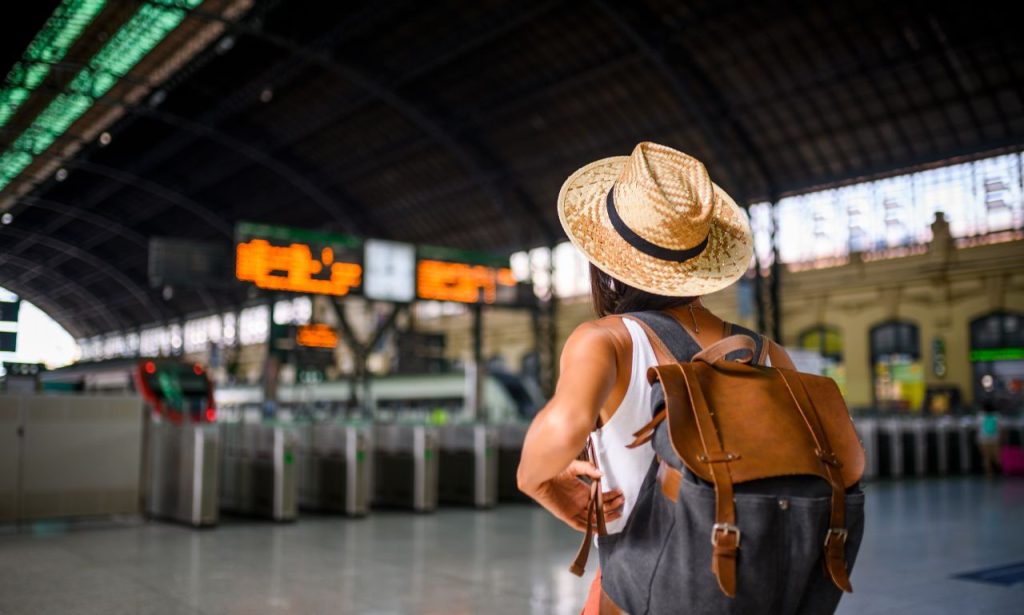
Travel becomes easier with experience, but many good habits can be adopted before your very first journey.
Prepare for the Unexpected
Even well-organized trips encounter small surprises.
Arriving at the airport early, carrying two payment methods, downloading offline maps, checking weather forecasts, and informing your bank about international travel are all simple steps that prevent unnecessary complications later.
None of these takes much effort, but together they create a far smoother travel experience.
Remember that Travel Isn’t a Competition
Perhaps the biggest lesson experienced travelers learn is that there is no prize for visiting the most places.
Some of the happiest travelers spend an afternoon reading beside a river, chatting with local shop owners, or discovering quiet streets that never appear in guidebooks.
The goal isn’t to return home with hundreds of photographs. It’s to come back with stories, memories, and experiences that genuinely meant something to you.
Conclusion
Understanding what the biggest mistakes first-time travelers make won’t guarantee a perfect trip, but it will help you avoid many of the problems that catch new travelers off guard. A little preparation, realistic expectations, and a willingness to adapt go much further than trying to plan every detail.
Your first trip will teach you lessons no article ever can. That’s part of the adventure. The mistakes you avoid will make the journey smoother, while the unexpected moments will often become the stories you remember for years.
Also Read: How Can You Travel More Sustainably Without Spending More?
FAQs
Yes. It offers protection against medical emergencies, lost luggage, cancellations, and other unexpected situations that can be expensive without coverage.
In addition to flights and accommodation, include transport, food, activities, insurance, mobile data, and an emergency fund for unexpected expenses.
Research common scams before you travel, stay aware of your surroundings, avoid unsolicited offers, and use trusted transportation and payment methods whenever possible.