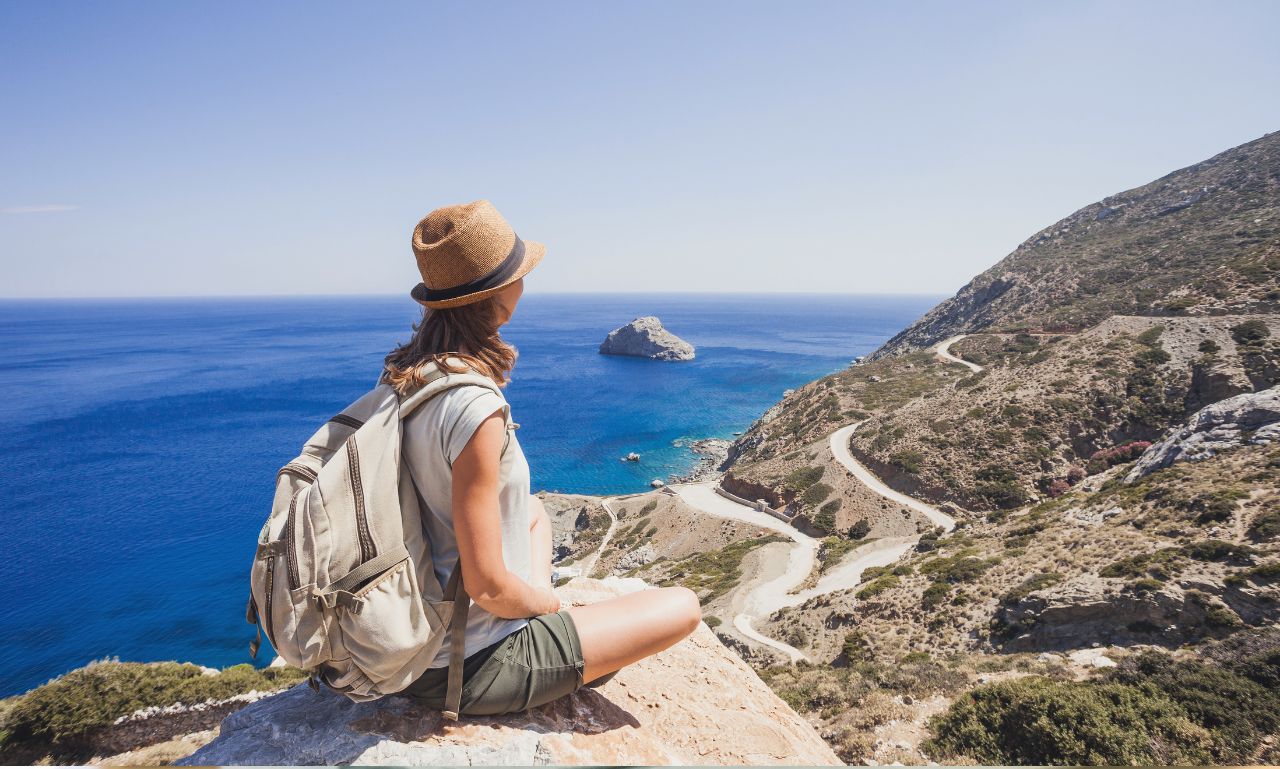
For years, travel was all about squeezing as many destinations as possible into a single trip. The more cities you visited and the more landmarks you crossed off your list, the better the vacation seemed. Today, that mindset is changing. More travelers are asking, ” What is slow travel, and why is it becoming popular?
Instead of racing from one attraction to the next, slow travel encourages you to pause, stay longer, and truly experience a place. It isn’t about doing less. It’s about experiencing more by giving yourself the time to connect with the people, culture, and everyday rhythm of your destination.
What Is Slow Travel and How Does It Differ from Traditional Tourism?
One of the biggest misconceptions about slow travel is that it literally means moving more slowly. In reality, it has much more to do with being intentional about how you travel.
Rather than hopping between five cities in seven days, slow travelers choose fewer destinations and spend more time exploring each one. They swap packed itineraries for flexible days, allowing room for unexpected discoveries and genuine local experiences.
The result is a trip that feels less rushed and far more memorable.
What Does Slow Travel Really Mean?
Slow travel grew out of the wider Slow Movement, a lifestyle philosophy that encourages people to enjoy life more mindfully instead of constantly chasing the next thing.
When applied to travel, it means taking time to experience a destination beyond its famous attractions. Instead of spending every hour checking landmarks off a list, you might wander through a neighborhood market, spend an afternoon in a local café, or chat with residents about life in their town.
These everyday moments often become the stories people remember most.
Many slow travelers also choose locally owned guesthouses, family-run restaurants, regional transportation, and community-led experiences. Rather than seeing a destination through the eyes of a tourist, they experience it as a temporary local.
Why Is Slow Travel Becoming So Popular Around the World?
Travel has changed dramatically over the past few years. More people are choosing experiences over checklists, and they want vacations that leave them feeling refreshed instead of exhausted.
The pandemic also played a major role in reshaping travel habits. During periods of restricted movement, many people discovered the joy of exploring places more deeply rather than constantly moving from one place to another. That shift has continued long after travel reopened.
The Biggest Reasons Travelers Are Choosing Slow Travel
One of the biggest reasons is the desire for authentic experiences.
Today’s travelers are increasingly interested in discovering neighborhood cafés, local markets, family-owned restaurants, and community festivals instead of spending every day surrounded by crowds at major tourist attractions.
Remote work has also contributed to the rise of slow travel. Digital nomads and professionals who work from anywhere often stay in one destination for weeks or months. This gives them the chance to build routines, meet local people, and experience everyday life instead of simply passing through.
Travel fatigue is another factor. Anyone who has tried to squeeze multiple cities into a single vacation knows how tiring it can be. Early morning flights, endless hotel check-ins, constant packing, and tight schedules often leave people needing another holiday just to recover.
Slow travel removes much of that stress.
Sustainability is also influencing travel decisions. As people become more aware of tourism’s environmental impact, many are looking for ways to travel more responsibly. Staying longer in one destination usually means fewer flights and transfers, allowing travelers to spend their money with local businesses rather than large international chains.
Above all, many people simply want to travel to feel enjoyable again. They want time to slow down, disconnect from daily pressures, and appreciate the places they’re visiting instead of constantly watching the clock.
What Are the Benefits of Slow Travel for Travelers?
The appeal of slow travel goes well beyond following a trend. Spending more time in one destination often transforms the entire travel experience.
Instead of feeling like a visitor rushing through unfamiliar streets, you gradually become comfortable. You recognize the local bakery, greet familiar faces, and develop a rhythm that makes the destination feel surprisingly welcoming.
Personal Benefits You May Not Expect
One of the most noticeable benefits is reduced stress.
With fewer flights to catch, fewer hotel changes, and less time spent planning logistics, there’s simply more room to enjoy your surroundings. You no longer feel pressured to fit everything into a single day.
Slow travel also creates opportunities for deeper cultural understanding. Spending several days or weeks in one community allows you to notice traditions, routines, celebrations, and customs that most tourists never experience.
Many travelers also find that they remember more of their trip. Instead of feeling like each destination blurred into the next, every place has enough time to leave a lasting impression.
Families appreciate having fewer stressful travel days, couples enjoy spending uninterrupted time together, and solo travelers often find it much easier to build genuine connections with local communities.
What Are the Financial and Practical Advantages of Slow Travel?
Many people assume staying longer in one place automatically costs more, but that isn’t always true.
Frequent flights, train tickets, airport transfers, taxis, and hotel changes can quickly become one of the biggest travel expenses. Cutting back on constant movement often saves a surprising amount of money.
Accommodation providers commonly offer lower weekly or monthly rates, making extended stays better value than booking several short visits.
Renting an apartment or holiday home also gives you the option of preparing some meals yourself while still enjoying local restaurants whenever you choose.
Travel becomes simpler too.
Packing once instead of every other day makes the journey far less stressful. There’s less risk of losing luggage, missing connections, or dealing with unexpected transport delays.
Perhaps the greatest advantage is having more time. Hours that would normally disappear in airports, train stations, or hotel receptions can instead be spent wandering quiet streets, relaxing in local parks, or discovering hidden corners that guidebooks rarely mention.
How Can You Practice Slow Travel on Your Next Trip?
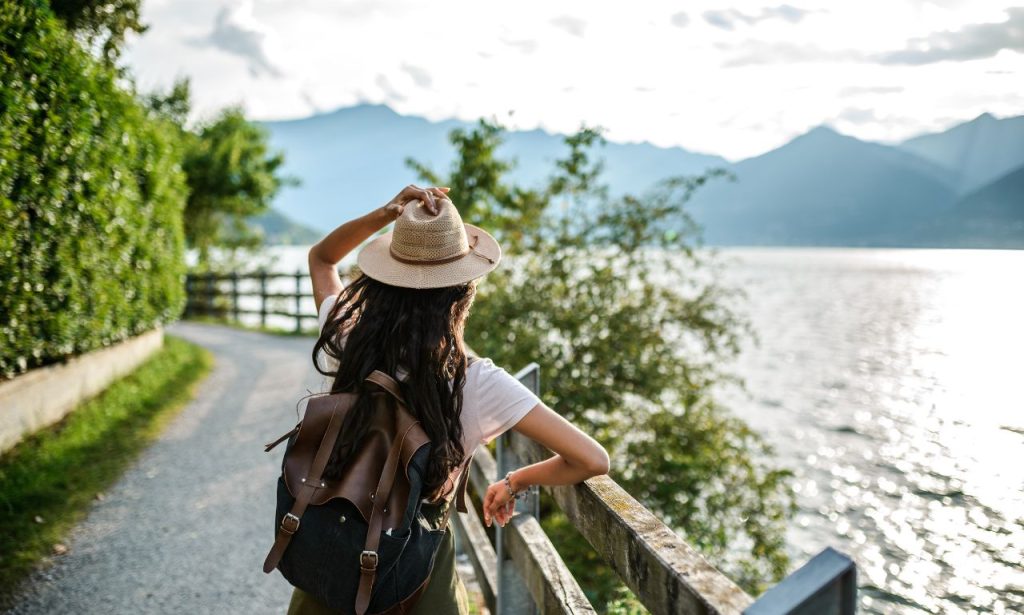
One of the best things about slow travel is that it doesn’t require quitting your job or taking months off to explore the world.
Even a long weekend can embrace the principles of slow travel.
Simple Ways to Travel More Slowly Without Changing Your Entire Vacation
Instead of changing hotels every night, choose one place as your base and explore nearby neighborhoods at your own pace.
Walk whenever you can. Some of the most memorable travel discoveries happen between attractions rather than at them. Small bookstores, hidden cafés, local parks, and street art often appear when you’re not rushing.
Using public transportation instead of taxis or private tours also gives you a glimpse into everyday local life.
Leave room for spontaneity, too. Not every hour needs to be scheduled. Some of the best travel memories begin with an unexpected recommendation from a local or a market you stumble across by chance.
Finally, learn a few basic words in the local language. Even a simple greeting or thank you can open doors to warmer conversations and more meaningful interactions.
Is Slow Travel Right for Everyone?
Slow travel isn’t the only way to see the world, and it doesn’t have to replace every type of vacation.
Some people genuinely enjoy fast-paced sightseeing, while others simply have limited annual leave and want to visit several destinations in one trip.
That’s perfectly okay.
Slow travel is less about following strict rules and more about adopting a different mindset. Even small changes can make a holiday feel more relaxed and rewarding.
Budget-conscious travelers benefit too, thanks to lower transport costs and discounted long-term accommodation.
Is Slow Travel Worth Trying?
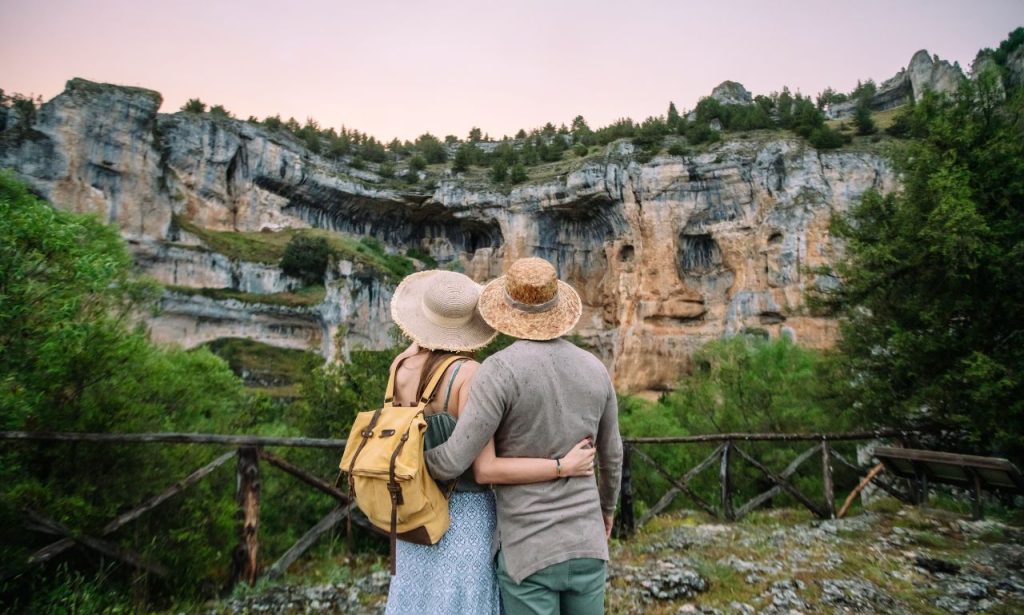
The real beauty of slow travel isn’t how many places you visit. It’s how deeply you experience them.
Instead of returning home with hundreds of photos and only a vague memory of each destination, you come back with stories, meaningful conversations, favorite cafés, and memories that feel much more personal.
It’s no surprise that more travelers are embracing this approach.
People are increasingly looking for experiences that feel authentic, support local communities, and allow them to enjoy the journey rather than simply racing through it.
Conclusion
Understanding what slow travel is and why it is becoming popular reveals a growing shift in the way people explore the world. More travelers are choosing meaningful experiences over packed itineraries, taking the time to connect with local communities, embrace a slower pace, and create memories that last long after the trip ends. Whether you’re planning a weekend getaway or an extended adventure, slow travel reminds us that the best journeys aren’t measured by the number of destinations we visit, but by how deeply we experience each one.
Also Read: What Emergency Apps Should Every Traveler Download?
FAQs
It often can be. Staying longer usually reduces accommodation costs, while taking fewer flights and transfers helps keep transportation expenses down.
Absolutely. Even a three- or four-day getaway can follow the principles of slow travel by focusing on one destination rather than trying to fit several into a limited timeframe.
Walkable cities, charming small towns, countryside retreats, coastal villages, and destinations with strong local culture are all excellent choices. Places where you can explore on foot and connect with the community tend to offer the richest slow travel experiences.
In many cases, yes. Spending longer in one destination, using public transportation, supporting locally owned businesses, and reducing frequent flights can lower your environmental impact while helping local communities benefit more directly from tourism.