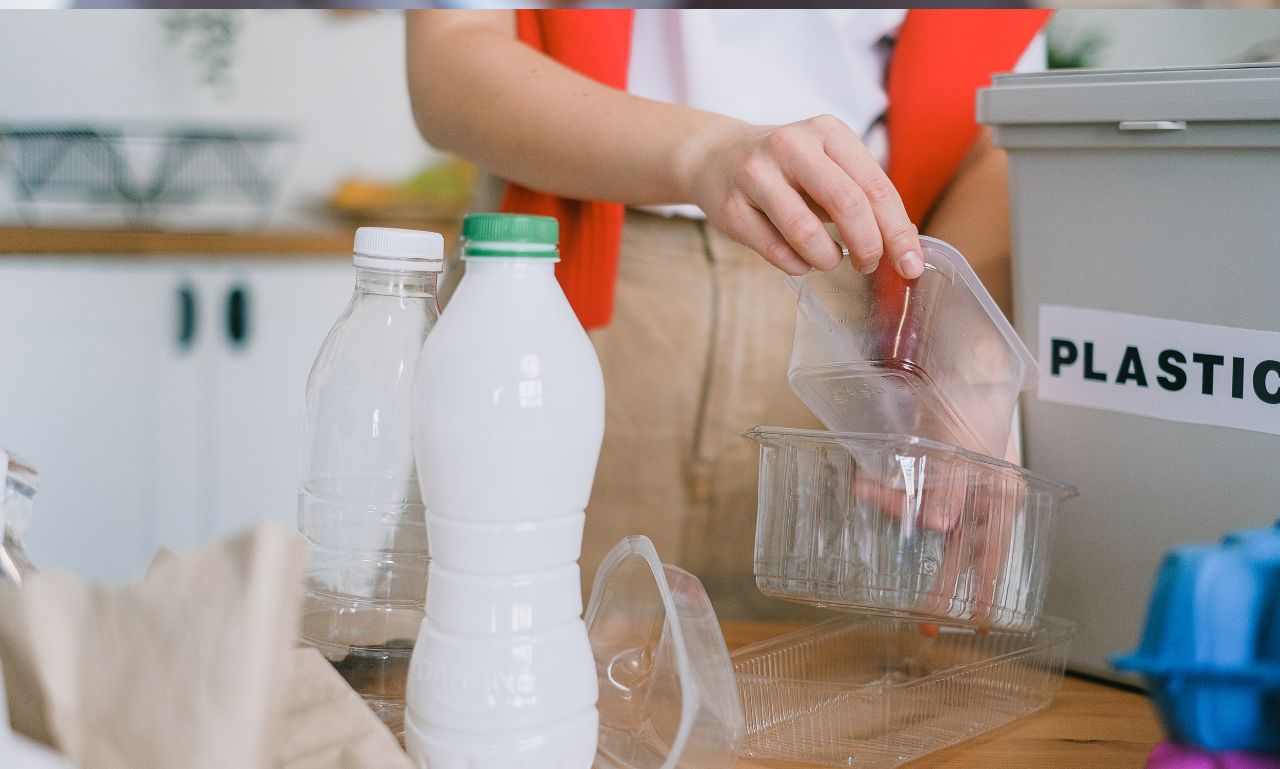
Travel introduces us to remarkable places, cultures, and people, but it also exposes us to an uncomfortable reality. Popular destinations often generate enormous amounts of disposable plastic. If you’ve ever finished a flight with a handful of plastic cups or checked into a hotel stocked with miniature toiletries, you’ve seen how quickly waste can accumulate. Understanding how to reduce plastic waste while traveling starts with recognizing that thoughtful choices, repeated consistently, can dramatically reduce your environmental footprint.
Why Is Plastic Waste a Major Issue in Travel?
How Tourism Contributes to Plastic Pollution
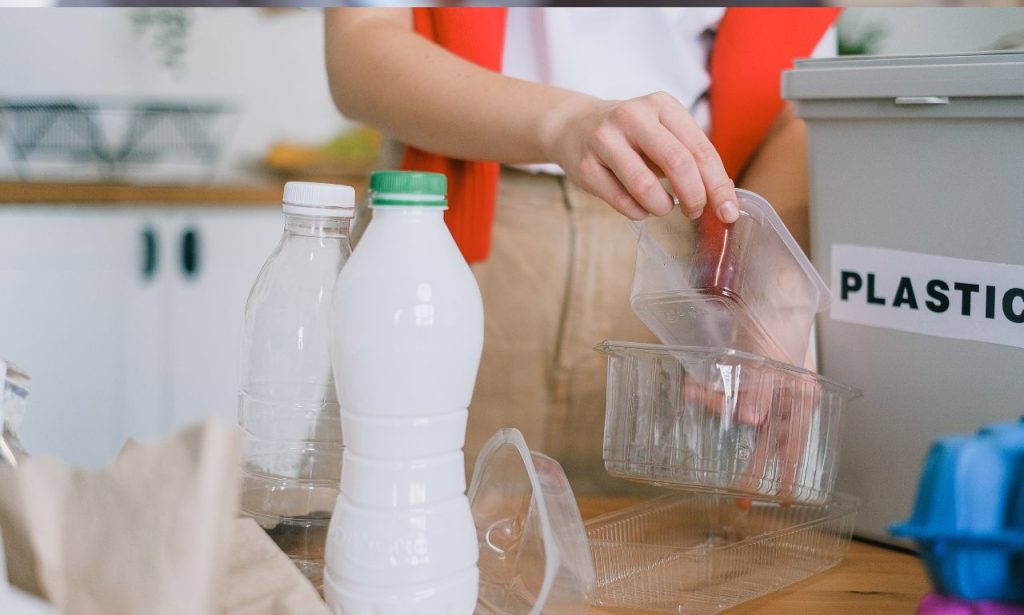
Tourism depends on convenience, and convenience often comes wrapped in plastic. Airports serve bottled drinks, airlines distribute disposable cutlery, hotels offer individually packaged amenities, and takeaway meals frequently arrive in plastic containers with lids and utensils.
In destinations that welcome millions of visitors each year, this waste adds up quickly. Small islands, coastal towns, and national parks often struggle to process the sheer volume of rubbish produced during peak travel seasons. Plastic that isn’t properly collected may end up in rivers, beaches, forests, or the ocean, where it can remain for centuries.
Marine animals are especially vulnerable. Sea turtles mistake floating plastic bags for jellyfish, seabirds consume tiny plastic fragments, and fish absorb microplastics that eventually enter the human food chain. Even destinations known for pristine landscapes face growing challenges as tourism expands.
The issue extends beyond nature. Communities must invest significant resources in waste collection and recycling systems that were never designed to support seasonal surges in visitors. Responsible travelers help ease that pressure simply by producing less waste in the first place.
Why Reducing Plastic Waste While Traveling Matters
Many people assume that one traveler can’t make much of a difference. Yet tourism involves hundreds of millions of people every year. Small changes become meaningful when repeated on a global scale.
Reducing plastic waste also supports businesses that invest in sustainable practices. Hotels with refillable toiletries, restaurants using reusable serving ware, and tour operators committed to waste reduction all benefit when travelers choose them over less responsible alternatives.
Perhaps most importantly, mindful travel creates a deeper respect for the places we visit. Instead of treating destinations as temporary playgrounds, we become participants in preserving them for future visitors and local communities alike.
What Should You Pack to Reduce Plastic Waste While Traveling?
Essential Reusable Travel Items That Replace Single-Use Plastics
Packing thoughtfully before leaving home eliminates many unnecessary purchases during a trip.
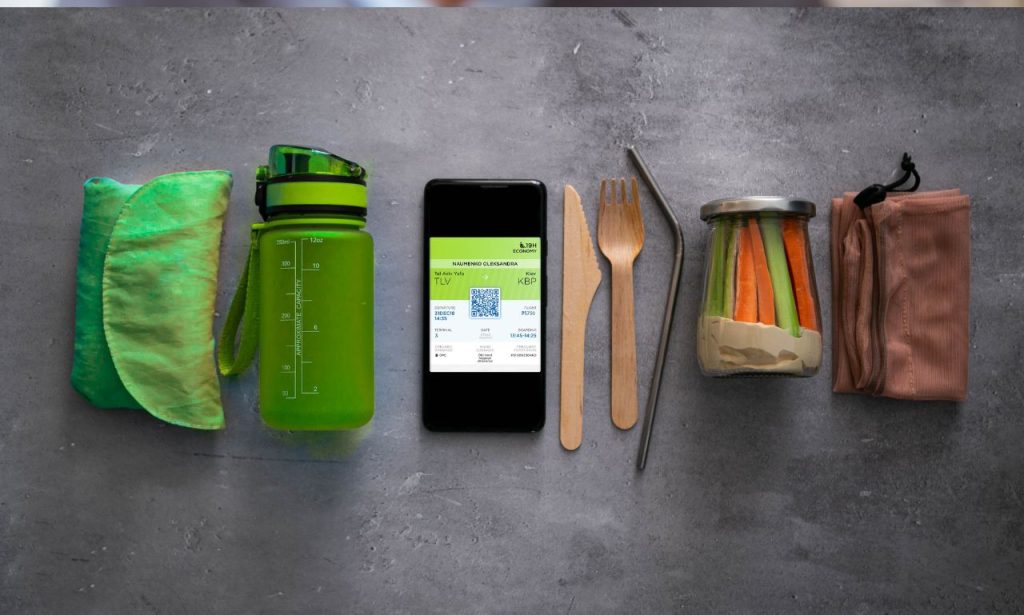
A reusable water bottle is arguably the most valuable item in any travel bag. Many airports, hotels, museums, and public spaces now provide refill stations, making it easy to stay hydrated without repeatedly buying bottled water.
A reusable coffee cup serves a similar purpose for travelers who enjoy daily coffee or tea. Many cafés gladly fill personal cups, and some even offer small discounts.
Reusable shopping bags take up almost no space yet prevent dozens of plastic bags from accumulating throughout a vacation. They’re useful for groceries, souvenirs, beach essentials, and day trips.
Portable cutlery, reusable food containers, and metal straws also reduce dependence on disposable dining products. While they may seem like minor additions, they become surprisingly useful during airport meals, train journeys, and outdoor excursions.
Solid toiletries deserve special attention. Shampoo bars, conditioner bars, and soap bars last longer than liquid alternatives, eliminate plastic bottles, and simplify airport security since they aren’t subject to liquid restrictions.
Smart Packing Strategies That Prevent Plastic Waste
Reducing waste starts long before arriving at your destination.
Packing healthy snacks in reusable containers helps avoid individually wrapped products during long flights or road trips. Refillable toiletry bottles eliminate the need for travel-sized plastic containers that are often discarded after one holiday.
Choosing durable travel gear also matters. A high-quality lunch container or insulated bottle may last for years, replacing hundreds of disposable alternatives over its lifetime.
Planning is equally important. Travelers who research refill stations, grocery stores, and local markets before departure are far less likely to rely on convenience purchases that generate unnecessary waste.
How Can You Reduce Plastic Waste While Traveling During Your Trip?
Eco-Friendly Habits for Airports, Flights, Hotels, and Restaurants
Many opportunities to reduce waste appear throughout an ordinary travel day.
Before boarding a flight, refill your water bottle after passing through security if safe drinking water is available. This simple habit can eliminate several plastic bottles during longer journeys.
At restaurants, politely decline plastic straws, disposable cutlery, and unnecessary condiment packets if you won’t use them. Dining inside rather than ordering takeaway also reduces packaging waste.
Hotels provide another opportunity to make better choices. Instead of opening every miniature shampoo bottle or soap wrapper, use your own toiletries whenever possible. If the hotel offers refillable dispensers, support that initiative rather than requesting single-use products.
Housekeeping services can also be adjusted. Reusing towels and bed linens reduces water consumption and lowers the demand for individually packaged cleaning supplies used in some properties.
Shopping, Dining, and Sightseeing Without Creating Extra Plastic Waste
Local markets often provide fresher food with significantly less packaging than convenience stores. Purchasing fruit, baked goods, or handmade products directly from vendors usually produces less waste while supporting local businesses.
Souvenir shopping deserves careful consideration. Many inexpensive souvenirs come heavily wrapped in plastic or contain low-quality materials that quickly become waste themselves. Choosing locally crafted products creates more meaningful memories while supporting artisans.
Street food vendors increasingly welcome reusable containers in many destinations. Carrying a compact food container makes it easier to enjoy local cuisine without generating extra packaging.
Even sightseeing can be approached more sustainably. Carrying reusable essentials means you won’t need to purchase bottled drinks or disposable items at every attraction throughout the day.
How Can You Choose More Sustainable Travel Options?
Selecting Eco-Conscious Accommodation and Tour Operators
Accommodation choices influence your environmental impact more than many travelers realize.
Many hotels now actively reduce plastic use by installing filtered water stations, replacing miniature toiletries with refillable dispensers, removing disposable bottles from guest rooms, and limiting unnecessary packaging throughout their operations.
Before booking, look beyond marketing claims. Genuine sustainability programs usually explain specific actions rather than using vague environmental language. Certifications from recognized organizations can also provide additional confidence.
Tour operators deserve similar attention. Companies that encourage the use of reusable water bottles, avoid disposable serving products, and actively participate in local conservation efforts often create more responsible travel experiences.
Supporting businesses that invest in sustainability sends a clear market signal that environmentally responsible tourism matters to travelers.
Supporting Destinations That Reduce Plastic Pollution
Some cities and countries have introduced restrictions on single-use plastics, making sustainable travel easier than ever. Visitors who respect these initiatives contribute to their long term success.
Understanding local recycling systems also helps. Waste separation rules vary considerably between countries, so taking a few minutes to learn local practices ensures recyclable materials are handled correctly.
Some destinations organize beach cleanups, river restoration projects, or community environmental events that welcome visitors. Participating for even an hour provides a meaningful way to give something back while learning more about local conservation efforts.
Responsible travel isn’t limited to avoiding harm. It also includes actively supporting places working to protect their natural environment.
Building Long-Term Low-Waste Travel Habits
Common Mistakes Travelers Make That Increase Plastic Waste
Many plastic-intensive habits happen automatically.
Buying bottled water at every stop often becomes routine, even where safe refill stations exist. Accepting complimentary hotel toiletries simply because they’re available creates unnecessary waste, especially when travelers have already packed their own.
Poor planning also encourages disposable purchases. Forgetting a reusable shopping bag or water bottle usually results in buying single-use alternatives that are discarded within hours.
Another common misunderstanding involves recycling. Not every piece of plastic can be recycled, and recycling systems differ widely between destinations. Reducing consumption remains far more effective than relying solely on recycling bins.
Creating a Sustainable Travel Routine for Every Trip
The easiest way to consistently reduce waste is to establish a simple routine before every journey.
Prepare a small reusable travel kit containing your bottle, shopping bag, cutlery, cup, and toiletries. Keep these items together so they’re always ready for your next trip.
Research accommodation policies before booking and identify nearby refill stations or grocery stores. A few minutes of preparation can eliminate countless disposable purchases later.
Most importantly, don’t aim for perfection. Sustainable travel is about making better decisions whenever possible rather than eliminating every piece of plastic overnight.
Each trip provides another opportunity to improve. Over time, these small adjustments become second nature, allowing you to explore the world while leaving a lighter environmental footprint behind.
Conclusion
Understanding how to reduce plastic waste while traveling isn’t about making travel complicated. It’s about replacing disposable habits with practical alternatives that quickly become routine. Packing reusable essentials, choosing environmentally responsible businesses, supporting local sustainability efforts, and planning all contribute to cleaner destinations and healthier ecosystems.
Every traveler leaves an impact. By making thoughtful choices throughout your journey, you help protect the landscapes, coastlines, wildlife, and communities that make travel worthwhile in the first place. Sustainable travel doesn’t require perfection. It simply begins with the next decision you make before your next adventure.
FAQs
Yes, provided you use verified safe drinking water or filtered refill stations.
Yes. Most solid toiletries are not subject to liquid restrictions in carry-on luggage.
Yes. Reusable bottles, bags, and containers reduce the need for repeated purchases during a trip.
A lightweight stainless steel insulated bottle is durable, reusable, and keeps drinks at a comfortable temperature.
Pack reusable snack containers, refillable bottles, and washable utensils to minimize disposable packaging throughout the trip.